
Ductwork and Furnace Insulation: Hidden Asbestos in Mechanical Systems
Discover where asbestos may be hiding in your Minnesota home's mechanical systems and learn why professional inspection is the safest approach for maintenance or renovations.
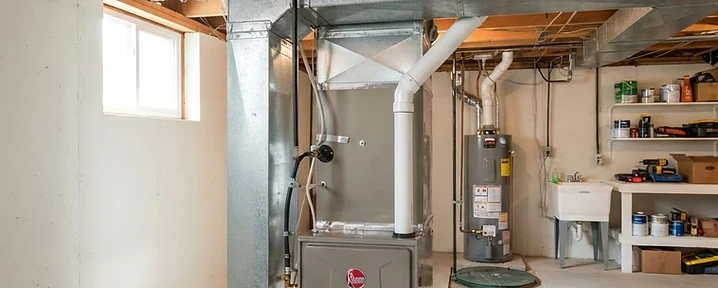
Understanding Asbestos in HVAC Systems
For many homeowners in Minnesota, especially those living in houses constructed prior to the late 1980s, the heating, ventilation, and air conditioning (HVAC) system is a potential site for asbestos-containing materials (ACMs). Because asbestos was prized for its heat resistance, insulation properties, and durability, it was frequently incorporated into mechanical systems to protect against fire and heat loss.
At SAFE, we frequently consult with homeowners and contractors who are concerned about these materials during routine furnace upgrades or basement renovations. Understanding where these materials are typically located is the first step toward managing risks effectively.
Common Locations for Asbestos in Mechanical Systems
When inspecting older residential mechanical systems, professionals typically focus on a few key areas where asbestos was most commonly utilized:
- Furnace Insulation: Older furnaces may contain internal insulation or gaskets made from asbestos-containing materials. This is particularly common in gravity furnaces or early forced-air units.
- Duct Seams and Joints: Before modern metal foil or synthetic tapes became the standard, asbestos-infused paper or 'tape' was often used to seal the joints and seams of metal ductwork. Over time, this tape can become brittle and friable.
- Duct Insulation: Some older ductwork was wrapped in a white or off-white paper-like material known as 'air-cell' insulation, which often contained asbestos, or corrugated asbestos paper.
- Boiler Components: If your home utilizes a boiler system, asbestos may be present in pipe insulation (often seen as a thick white covering), boiler gaskets, or the cement used to seal boiler sections.
Why 'Friability' Matters
In the context of asbestos management, the term 'friability' refers to the ability of the material to be crumbled, pulverized, or reduced to powder by hand pressure. If asbestos-containing material is in good condition, intact, and undisturbed, it generally does not pose an immediate health risk. The primary concern arises when these materials are damaged, deteriorated, or physically disturbed during home improvement projects.
When asbestos materials become friable, they can release microscopic fibers into the air. Because these fibers are not visible to the naked eye, they can be inhaled without the homeowner or contractor realizing that the air quality has been compromised.
Best Practices for Minnesota Homeowners
If you are planning a renovation, or if you notice damaged insulation on your furnace or ductwork, take the following steps:
- Do Not Disturb: Avoid cleaning, scraping, or moving material that you suspect contains asbestos. This includes trying to 'repair' it with standard household tape or DIY methods, which can inadvertently release fibers.
- Professional Inspection: Before beginning any demolition or maintenance that involves mechanical systems, consider professional asbestos testing. SAFE provides comprehensive inspection services throughout Minnesota, including a strong presence in the Twin Cities, to help identify these materials accurately.
- Qualified Abatement: If asbestos is confirmed and needs to be removed—or if it is severely damaged and poses an ongoing risk—always hire a licensed asbestos abatement contractor. Professional abatement teams follow strict environmental and safety regulations to ensure that materials are removed and disposed of safely, preventing cross-contamination in your living space.
Working Safely with Contractors
If you are a contractor working in older Minnesota homes, always communicate clearly with your clients regarding the age of the structure and the potential for hidden ACMs. If you encounter suspect material during the project, stop work immediately in that area, clear the space, and seek a professional consultation. Protecting the health of your crew and the homeowner is the most important aspect of any construction project.
Getting Expert Guidance
Identifying asbestos is not something that can be done simply by looking at the material; it requires laboratory analysis. If you have questions about your HVAC system or need an inspection, our team at SAFE is ready to assist. Serving homeowners and businesses across Minnesota, we are committed to providing objective, professional guidance on how to best manage asbestos within your property. Whether you are prepping for a kitchen remodel or replacing an aging furnace, reach out to us for a thorough assessment of your mechanical systems.
We use Google AdSense to show ads on selected educational articles. Advertising cookies help us keep this content free. You can change this choice anytime.
Comments
(0)Join the conversation
Members can comment on articles. Create a free account to share your thoughts.
Create free accountNo comments yet. Be the first to share your thoughts.