
Minnesota Lead and Asbestos Regulatory Shifts: What Real Estate Investors and House Flippers Must Know
With Minnesota initiating updates to residential lead standards and regulators penalizing improper asbestos demolition, real estate investors and flippers must adapt their due diligence and renovation workflows.
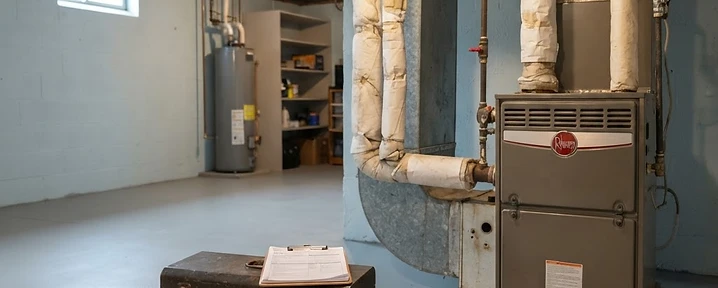
For real estate investors and house flippers across the Midwest, older housing stock represents some of the strongest value-add opportunities on the market. However, regulatory standards surrounding environmental hazards in aging properties are continually tightening.
Recent regulatory actions in Minnesota illustrate how critical environmental compliance has become. The Minnesota Department of Health (MDH) initiated formal rulemaking (Revisor's ID #4993) to update Minnesota Rules, Chapter 4761 governing residential lead abatement. The update aligns state rules with the U.S. Environmental Protection Agency’s revised dust-lead hazard standards (DLHS) and post-abatement dust-lead clearance levels (DLCL). Under the proposals, dust-lead hazard levels move to "any reportable level by an EPA-recognized laboratory" on floors and sills, while clearance standards drop significantly—from 10 µg/ft² down to 5 µg/ft² on floors, 100 µg/ft² to 40 µg/ft² on window sills, and 400 µg/ft² to 100 µg/ft² on window troughs.
Simultaneously, the Minnesota Pollution Control Agency (MPCA) issued an enforcement penalty of $17,938 against a Saint Paul contractor following demolition work in Mahtomedi. The MPCA cited the firm for failing to provide a mandatory 10-day advance notice for an asbestos-containing demolition, lacking a trained individual on-site to monitor removal, and improperly disposing of regulated asbestos debris.
Whether you are acquiring a duplex in Minneapolis, flipping a 1920s bungalow in Saint Paul, or remodeling a rental portfolio across the metro, these developments carry concrete operational implications.
1. Due Diligence: Factor Environmental Testing into the Acquisition Phase
When evaluating a purchase, many flippers calculate budgets around cosmetic upgrades, mechanicals, and structural integrity while overlooking hazardous materials until demolition starts. That delay can result in stop-work orders, unplanned expenses, and disposal complications.
- Lead-Based Paint: In homes constructed prior to 1978, assume lead paint exists until verified otherwise. With Minnesota lowering post-abatement clearance thresholds, cleaning to pass final clearance tests will require stricter dust containment and systematic verification.
- Asbestos-Containing Materials (ACM): Common in pre-1980 builds, asbestos is often concealed in duct wrap, vermiculite attic insulation, pipe insulation, resilient vinyl floor tile, exterior transite siding, and joint compound. A pre-purchase or pre-renovation environmental survey identifies these materials before your project timeline is set.
2. Planning Demolition: Respect the 10-Day Rule and Permitting Requirements
Many investors assume standard residential renovations are exempt from commercial-grade oversight, but structural alterations and demolitions trigger state environmental mandates:
- Advance MPCA Notification: In Minnesota, demolishing a structure or disturbing regulated quantities of asbestos requires advance written notification to the MPCA—typically at least 10 working days prior to starting activity.
- Trained Site Oversight: As demonstrated by the MPCA’s recent enforcement action, demolition or disturbance involving regulated asbestos requires appropriately trained personnel on-site to oversee containment and handling.
- Manifested Disposal: Demolition debris containing asbestos cannot be discarded in standard construction dumpsters or standard landfills. It must be wetted, sealed in approved containers, manifested, and transported to a landfill specifically permitted for asbestos waste.
3. Contractor Compliance: EPA RRP and State Licensing
If you work with general contractors, subcontractors, or perform renovation work on pre-1978 properties yourself, adhere strictly to Lead Renovation, Repair, and Paint (RRP) protocols:
- Verify Firm and Renovator Certifications: Ensure any trade working on pre-1978 properties—including painters, window installers, and carpenters—holds active EPA RRP firm and renovator certifications.
- Avoid Prohibited Practices: Open-flame burning, uncontained power sanding without HEPA shrouds, and dry scraping remain strictly prohibited.
- Contain the Workspace: Plastic sheeting, negative air filtration, and sealed doorways protect unaffected areas of the home from microscopic lead dust, which saves substantial labor during the post-renovation cleanup phase.
4. Exit Strategy and Tenant Turnover: Protecting Value and Liability
Whether your exit is a retail sale or placement of long-term tenants, documentation and clean turnover are your best safeguards:
- Required Disclosures: Federal and state laws require sellers and landlords to disclose known lead-based paint and supply buyers or prospective tenants with the EPA-approved informational pamphlet.
- Clearance Testing: Conducting independent third-party dust wipe sampling after major renovations provides objective laboratory verification that lead dust levels meet state and federal standards, offering clear documentation for your transaction file.
- Preserve Documentation: Maintain copies of all inspection reports, abatement permits, disposal manifests, and clearance certificates. These records substantiate your property's condition for appraisers, lenders, municipal inspectors, and future buyers.
Partnering with Qualified Specialists
Navigating asbestos and lead regulations requires clear planning rather than guesswork. SAFE (Solutions for Asbestos Free Environments) serves property owners, investors, and contractors throughout Minnesota, with a strong presence across the Twin Cities metropolitan area. By conducting certified inspections, risk assessments, and proper abatement before demolition begins, investors can protect project schedules, ensure compliance, and deliver safer finished homes to the market.
We use Google AdSense to show ads on selected educational articles. Advertising cookies help us keep this content free. You can change this choice anytime.
Comments
(0)Join the conversation
Members can comment on articles. Create a free account to share your thoughts.
Create free accountNo comments yet. Be the first to share your thoughts.