
Minnesota Lead and Asbestos Regulatory Updates: What General Contractors and Trades Need to Know
With Minnesota advancing state-level Lead RRP rulemaking and enforcing strict residential asbestos standards, contractors must ensure pre-renovation compliance before breaking ground.
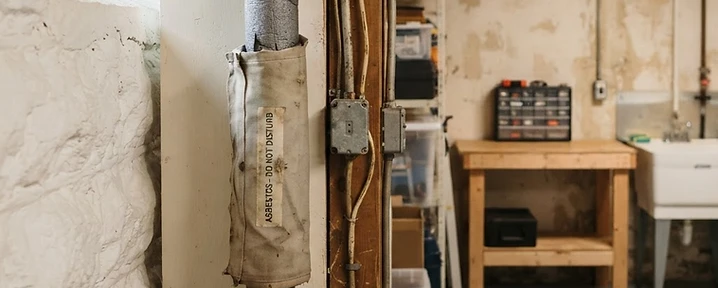
For general contractors, remodelers, and specialty trades working across Minnesota, managing hazardous materials has never been a strictly federal conversation. Regulatory oversight at the state level continues to evolve, directly impacting site workflows, permitting, and pre-construction planning.
Recent rulemaking initiatives by the Minnesota Department of Health (MDH) highlight this shift. According to the Minnesota Department of Health Lead RRP Rulemaking, the state has been advancing formal permanent rules to take over administration of the federal Environmental Protection Agency (EPA) Renovation, Repair, and Painting (RRP) program. Through ongoing stakeholder meetings and updated draft rules—including stakeholder reviews comparing federal standards to state benchmarks—Minnesota is moving toward becoming a state-authorized administrator of RRP regulations under 40 CFR Part 745. For trade contractors, this transition means state-level enforcement, auditing, and certification standards will become an even more immediate factor on residential and child-occupied job sites.
Pair this with existing state provisions—such as Minnesota Statute § 326B.106 requiring lead certification prior to building permit issuance for pre-1978 residences, and expanded asbestos enforcement covering previously exempt residential building materials—and the mandate is clear: proactive identification must come before demolition.
Understanding the Dual-Agency Landscape in Minnesota
Unlike jurisdictions where contractors interact solely with federal OSHA or the EPA, Minnesota operates with overlapping state regulatory oversight:
- Minnesota Department of Health (MDH): Governs human exposure risks, certifies lead and asbestos professionals, oversees training programs, and inspects active jobsites.
- Minnesota Pollution Control Agency (MPCA): Enforces National Emission Standards for Hazardous Air Pollutants (EPA NESHAP) requirements, visible emissions, waste transport, and environmental disposal of hazardous materials.
- Minnesota OSHA (MNOSHA): Focuses specifically on on-site worker protection, personal protective equipment (PPE), and exposure thresholds during mechanical disturbance.
Because state rules regulate friable or mechanically disturbed asbestos materials even in single-family residential renovations (such as floor tiles, mastics, siding, and textured ceilings), contractors cannot assume smaller residential remodels are exempt from formal compliance.
Practical Steps for Contractors Before Starting Work
Contractors face project delays, stop-work orders, and substantial compliance fines when hazardous materials are discovered mid-renovation. Incorporating structured environmental hygiene protocols into your pre-construction phase protects both your bottom line and your crew.
1. Integrate Survey Requirements into Pre-Con Checklists
Before bidding or initiating interior demo on pre-1978 properties, verify the age and construction history of the structure. If the scope involves disturbing drywall, plaster, flooring, insulation, roofing, or window assemblies, mandate an accredited hazardous materials survey as an initial contract contingency.
2. Differentiate Inspection from Abatement
Avoid relying on qualitative assumptions or over-the-counter DIY swab kits, which often produce false positives or fail to meet regulatory standards. A certified inspector documents exact locations, quantities, and material conditions using calibrated XRF instrumentation for lead or lab-analyzed bulk sampling for asbestos. This report allows you to obtain accurate subcontractor bids for abatement rather than guessing.
3. Maintain Clear Chain-of-Custody Documentation
When abatement or lead-safe containment is required, ensure all paperwork—such as MDH notifications, containment inspection logs, and final air/dust clearance testing reports—is archived in the project folder. Building officials and property owners increasingly require complete clearance documentation prior to sign-off and re-occupancy.
4. Train Field Supervisors on Threshold Triggers
Ensure your project managers and foremen understand what activities trigger state RRP or asbestos rules. Disturbing more than minimal thresholds of painted surfaces in older homes, or handling brittle ceiling textures and vinyl adhesives without prior testing, immediately introduces compliance liabilities.
Your Regional Compliance Partner
Navigating multi-agency compliance does not have to stall your job site. Solutions for Asbestos Free Environments (SAFE) provides certified, independent asbestos and lead testing, inspections, and project oversight. Serving Minnesota with a strong presence throughout the Twin Cities metro, SAFE works directly with general and trade contractors to establish clear, compliant pathways from pre-demolition survey through project clearance.
We use Google AdSense to show ads on selected educational articles. Advertising cookies help us keep this content free. You can change this choice anytime.
Comments
(0)Join the conversation
Members can comment on articles. Create a free account to share your thoughts.
Create free accountNo comments yet. Be the first to share your thoughts.