
Minnesota Lead and Asbestos Regulatory Updates: What Inspectors Need to Know Before the Next Job
Stay up to date on Minnesota's completed residential lead abatement rule revisions, active RRP rulemaking, and core sampling protocols for professional home and environmental inspectors.
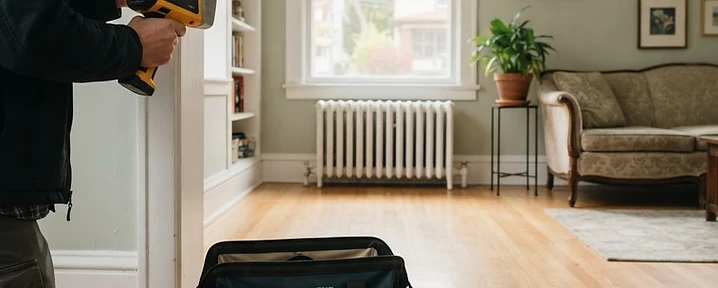
For home inspectors and environmental consultants evaluating properties across Minnesota, navigating state and federal environmental safety standards is essential. With aging residential and commercial structures throughout the state—especially pre-1978 properties—inspection practices must align closely with evolving state administrative frameworks.
Recent regulatory milestones from the Minnesota Department of Health (MDH) highlight this shifting landscape. MDH completed revisions to its Residential Lead Abatement Rules under Minnesota Administrative Rules Chapter 4761 and is advancing rulemaking to administer its own state-level Lead Renovation, Repair, and Painting (RRP) program. Concurrently, public health data continues to confirm that deteriorated interior paint in pre-1978 housing remains the primary driver of elevated blood lead levels in Minnesota.
Whether you are preparing a pre-purchase report, scoping a renovation, or conducting clearance, here is what inspectors need to keep in mind.
Understanding Minnesota Lead Inspection Standards
Under MN Rules 4761.2560, Minnesota enforces clear protocols for identifying lead hazards. Generalist home inspectors and licensed environmental assessors must adhere to the documented methodologies recognized by MDH:
- Approved Methodology Only: The state explicitly prohibits the use of chemical spot-test kits relying on sodium rhodizonate or sodium sulfide for formal lead inspections. On-site evaluations must rely on calibrated X-ray fluorescence (XRF) analyzers, accredited laboratory analysis of physical paint-chip samples, or a combination of both.
- Distinct Painting History: Testing must account for each distinct architectural component with a unique painting history across both interior and exterior surfaces, unless verified as replaced post-1978.
- Multifamily and Common Areas: In multifamily housing or child-occupied facilities, common areas require systematic evaluation of every component with a distinct painting history.
- Bare Soil Assessments: Inspectors must visually note and map the location of bare soil on the property whenever the ground is not covered by snow.
Adhering to these documented standards protects clients during transactions and helps property owners remain compliant before embarking on abatement or renovation projects.
Asbestos Inspection and Reporting Frameworks
While MDH asbestos rules do not mandate that every home undergo an asbestos inspection, evaluations become mandatory under Minnesota Pollution Control Agency (MPCA) and EPA NESHAP regulations before demolition or major structural alterations. When clients request an asbestos assessment, specific state requirements apply:
- Accredited Analysis: Any bulk samples taken must be analyzed by an accredited laboratory participating either in the National Voluntary Laboratory Accreditation Program (NVLAP) via NIST or the American Industrial Hygiene Association (AIHA) bulk asbestos program.
- Report Deliverables: The written inspection report provided to property owners must document the exact location and condition of all known or assumed asbestos-containing material (greater than 1% asbestos), along with the certified inspector's credentials, signature, and license copy.
Practical Steps Before Starting an Inspection or Renovation
To provide comprehensive service and minimize liability for property managers, buyers, and contractors, environmental and home inspectors should consider the following best practices before beginning field work:
- Verify Age and Renovation History: Confirm the construction year and cross-reference municipal permit records to identify any building components replaced after 1978 before drafting sampling plans.
- Differentiate Screenings from Full Risk Assessments: Clarify your scope of work in writing. A general home inspection screening is not equivalent to an MDH-compliant lead risk assessment or comprehensive asbestos survey.
- Plan for RRP Alignment: Remind clients planning renovations that contractors disturbing more than minimal painted areas in pre-1978 homes must follow lead-safe work practices under EPA RRP guidelines.
Supporting Minnesota Property Professionals
Accurate identification of lead and asbestos hazards lays the groundwork for safe property management, purchases, and retrofits. At SAFE (Solutions for Asbestos Free Environments), we serve property owners, contractors, and inspectors across Minnesota, maintaining an active presence throughout the Twin Cities metro area. Whether your project calls for specialized industrial hygiene consulting or accredited abatement services, following sound testing and regulatory protocols ensures projects move forward safely and compliantly.
We use Google AdSense to show ads on selected educational articles. Advertising cookies help us keep this content free. You can change this choice anytime.
Comments
(0)Join the conversation
Members can comment on articles. Create a free account to share your thoughts.
Create free accountNo comments yet. Be the first to share your thoughts.