
Minnesota Lead RRP Rulemaking: What Real Estate Investors and House Flippers Must Know
As Minnesota advances toward taking over Lead Renovation, Repair, and Painting (RRP) oversight, real estate investors and flippers must understand how evolving lead rules impact renovation schedules, liability, and resale values.
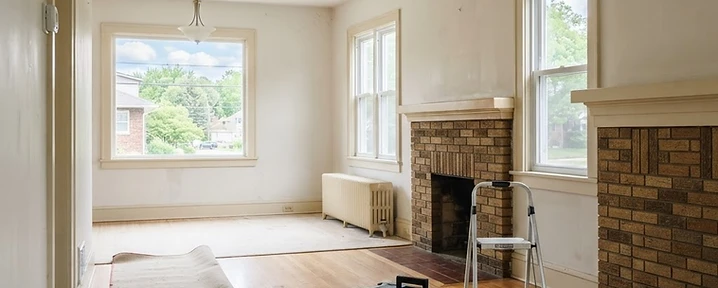
For residential real estate investors and house flippers, older housing stock represents significant opportunity—and substantial compliance responsibility. The Minnesota Department of Health (MDH) continues its formal rulemaking initiative to administer and enforce its own state-level Lead Renovation, Repair, and Paint (RRP) program.
While contractors and renovators have operated under the EPA’s federal 2010 RRP regulations for years, MDH’s progression toward an authorized state program highlights a growing emphasis on local oversight, on-site documentation, and strict containment practices. For flippers operating in the Twin Cities and throughout Minnesota, understanding how lead and asbestos safety impacts your bottom line before demolition begins is critical.
The Difference Between Renovation and Abatement
Many investors assume standard contractor practices cover all environmental obligations, but state standards differentiate between regular remodeling activities and hazard reduction:
- Lead Renovation, Repair, and Painting (RRP): Applies when disturbing painted surfaces in pre-1978 residential properties (such as replacing windows, opening drywall, or stripping exterior siding). It requires certified firms, lead-safe containment, HEPA dust cleanup, and specific post-work cleaning verifications.
- Lead Abatement: Under Minnesota Statutes and administrative rules, abatement refers specifically to measures designed to permanently eliminate lead-based paint hazards (such as total component removal, encapsulation, or formal remediation) and requires specialized licensed abatement contractors.
Flippers who run crews or self-perform work without recognizing these distinctions risk regulatory penalties, stop-work orders, or liability claims from prospective buyers and tenants.
Why Minnesota's Housing Stock Requires Early Planning
A substantial portion of homes across Minneapolis, St. Paul, and surrounding first-ring suburbs were built prior to 1978—many dating from the 1900s through the 1950s. In these properties, lead-based paint and asbestos-containing materials (ACMs) frequently coexist:
- Lead hazards: Commonly concealed beneath modern paint layers on trim, original sash windows, baseboards, exterior soffits, and porch railings.
- Asbestos materials: Often found in 9x9 floor tiles, sheet vinyl backing, plaster wall systems, textured ceilings, duct wrap, and vermiculite attic insulation.
Discovering these materials midway through an active project leads to unexpected budget overruns and timeline delays. Performing environmental due diligence during your inspection contingency window allows you to calculate accurate remediation expenses into your purchase offer.
Practical Steps Before Starting Your Next Flip
To safeguard project budgets and maintain compliant job sites, flippers and buy-and-hold investors should implement a standardized workflow for every acquisition:
- Conduct Pre-Purchase Environmental Inspections: Order targeted lead and asbestos sampling prior to closing. Knowing exactly where hazardous materials are located prevents cross-contamination across unaffected living areas.
- Establish Clear Contractor Protocols: When hiring general contractors or trade subcontractors, verify their EPA RRP certification or Minnesota licensure status. Require written work plans outlining containment practices before drywall removal or sanding starts.
- Avoid Uncontrolled Demolition: Mechanical grinding, uncontrolled power sanding, and dry scraping without HEPA exhaust generate fine, airborne lead dust and friable asbestos fibers that are costly to decontaminate once spread throughout a property.
- Retain Verification Documentation: Keep copies of inspection surveys, abatement manifests, and clearance testing results. When marketing a finished flip, transparent environmental documentation provides buyers peace of mind and simplifies mandatory property disclosures.
Partnering for Environmental Due Diligence
Managing environmental hazards does not require avoiding older homes; it simply requires systematic planning. Solutions for Asbestos Free Environments (SAFE) serves property owners, investors, and contractors throughout Minnesota, with an active presence across the Twin Cities metropolitan area.
Whether evaluating an older duplex in Minneapolis or coordinating clearance testing for a suburban flip, SAFE provides the certified inspection, sampling, and abatement management services needed to keep your renovation timelines on track and your job sites compliant.
We use Google AdSense to show ads on selected educational articles. Advertising cookies help us keep this content free. You can change this choice anytime.
Comments
(0)Join the conversation
Members can comment on articles. Create a free account to share your thoughts.
Create free accountNo comments yet. Be the first to share your thoughts.