
Minnesota Lead Rule Updates and Home Renovations: What Property Owners Need to Know
With the EPA tightening lead-dust hazard standards and the Minnesota Department of Health advancing updated rules, homeowners planning remodels should understand how to test and plan safely.
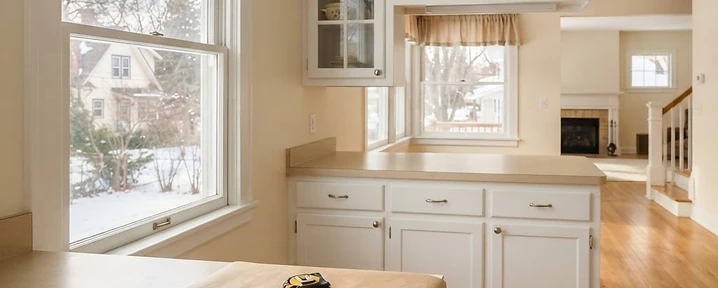
Planning a renovation, kitchen remodel, or window replacement in an older home is an exciting milestone. However, if your property was constructed before 1978, recent regulatory changes underscore the critical importance of careful planning before demo day arrives.
The Minnesota Department of Health (MDH) is currently advancing administrative rulemaking (Revisor's ID #4993) to update state standards for residential lead abatement. This action aligns state oversight with the U.S. Environmental Protection Agency's (EPA) strengthened dust-lead hazard standards (DLHS) and dust-lead clearance levels (DLCL). Under the EPA framework, hazard standards are shifting toward "any reportable level by an EPA-recognized laboratory" for floors and window sills. Simultaneously, Minnesota continues stakeholder rulemaking on state administration of the Lead Renovation, Repair, and Painting (RRP) program.
These policy updates highlight a simple public-health reality: common renovation activities—such as sanding, cutting drywall, or removing trim—generate fine dust that can spread throughout living spaces if not properly contained.
Why Older Homes Demand Proactive Planning
Many neighborhoods across Minnesota, especially in established communities throughout Minneapolis, Saint Paul, and older suburbs, feature historic housing built long before the 1978 federal ban on consumer lead-based paint. Additionally, homes built through the 1980s frequently contain asbestos in materials such as:
- Floor tiles and associated black mastic adhesives
- Textured "popcorn" ceiling finishes
- Pipe wrap and boiler insulation
- Exterior siding and duct insulation
When left undisturbed and in good condition, these materials generally do not release fibers or dust into the air. The risk arises when demolition, drilling, or sanding compromises their structural integrity.
Essential Steps Before Starting Your Renovation
Before picking up a hammer or hiring a crew, taking proactive, orderly steps helps protect both your family and your investment.
1. Test Before You Disturb
Do not rely on visual inspection or the age of a home alone. Surface paint may cover older, high-lead layers, and asbestos cannot be confirmed without laboratory analysis of a physical sample. Scheduling an assessment by an MDH-licensed inspector before renovation begins gives you an exact map of where hazardous materials reside.
2. Verify Contractor Credentials
If you hire professionals to work on a pre-1978 home, ensure they are certified under the EPA's Lead Renovation, Repair, and Painting (RRP) program. Certified contractors are trained in specific containment measures, including plastic sheeting barriers, HEPA-filtered dust collection, and thorough wet-cleaning protocols designed to keep dust from migrating into bedrooms and living areas.
3. Plan for Asbestos Requirements
Commercial and residential projects alike must follow strict environmental disposal rules. Improper handling can carry steep environmental fines from agencies such as the Minnesota Pollution Control Agency (MPCA) and creates avoidable liabilities. If renovation plans call for removing walls, ceilings, or flooring with confirmed asbestos, hire a licensed abatement contractor rather than treating it as standard municipal demolition debris.
4. Isolate Work Zones
If you are living in the home during construction, verify that the work area is completely sealed off from non-construction living spaces. Turn off or seal HVAC supply and return registers in the work zone to prevent dust from circulating through your ductwork.
Post-Project Clearance Testing
Once physical work concludes, a visual inspection is not enough to confirm that microscopic lead dust has been eliminated. Professional clearance testing uses standardized dust wipes analyzed by an accredited lab to verify that lead dust levels fall well within modern clearance benchmarks. This step provides documented verification that living areas are clean and ready for reoccupancy.
How SAFE Can Assist Your Project
At SAFE (Solutions for Asbestos Free Environments), we provide comprehensive asbestos and lead inspections, risk assessments, and safe abatement services across Minnesota, with a strong presence throughout the Twin Cities metro area. Whether you are mapping out a weekend DIY upgrade, managing a whole-home renovation, or preparing an older property for sale, our licensed inspectors help identify potential hazards early so your project can proceed smoothly, legally, and safely.
We use Google AdSense to show ads on selected educational articles. Advertising cookies help us keep this content free. You can change this choice anytime.
Comments
(0)Join the conversation
Members can comment on articles. Create a free account to share your thoughts.
Create free accountNo comments yet. Be the first to share your thoughts.