
Minnesota Lead Rule Updates: What Real Estate Investors and House Flippers Must Know Before Renovating
With EPA lowering lead-dust standards and Minnesota moving forward with state-level RRP rulemaking, real estate investors and flippers need to adapt their pre-1978 renovation strategies to avoid costly project delays and compliance fines.
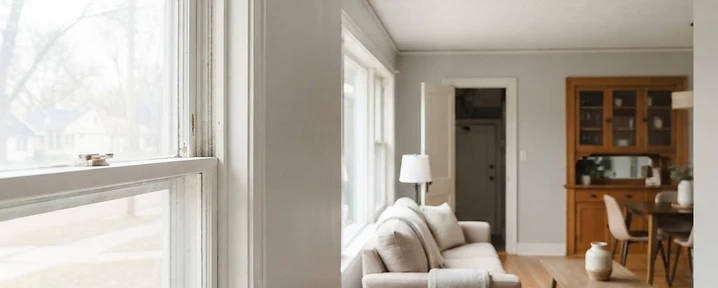
For real estate investors and house flippers across Minnesota, older housing stock represents significant opportunity—particularly charming pre-1978 properties throughout Minneapolis, St. Paul, and first-ring suburbs. However, older homes also come with regulatory responsibilities regarding hazardous materials like lead and asbestos.
Major regulatory shifts are underway that impact how pre-1978 residential renovations, turnarounds, and abatements are managed. Understanding these shifts before purchasing or swinging a hammer is critical to protecting your budget, your timeline, and the occupants of your properties.
Recent Regulatory Shifts: Stricter Dust Standards and Minnesota RRP Authorization
Two key regulatory developments are currently shaping residential renovations in Minnesota:
- EPA Dust-Lead Hazard and Clearance Updates: Following the U.S. Environmental Protection Agency’s (EPA) updated dust-lead hazard standards (DLHS) and dust-lead clearance levels (DLCL), states that administer federally recognized lead abatement programs must align their local standards. According to the Minnesota Department of Health (MDH), Minnesota has initiated rulemaking under Minnesota Rules, Chapter 4761 to amend state clearance levels—proposing to drop clearance thresholds from 10 µg/ft² down to 5 µg/ft² for floors, from 100 µg/ft² to 40 µg/ft² on window sills, and down to 100 µg/ft² for window troughs.
- Minnesota RRP Rulemaking: MDH is progressing toward formal state authorization to administer and enforce the federal Renovation, Repair, and Paint (RRP) program (under 40 CFR Part 745 Subpart E). As detailed in recent MDH stakeholder meetings, this transition brings direct local oversight over contractor certifications, work practice methods, training providers, and pre-renovation disclosures in pre-1978 residences.
Simultaneously, the EPA continues aggressive enforcement of existing federal RRP guidelines against contractors and property management firms that fail to verify contractor certifications, distribute required educational pamphlets (like Renovate Right), or maintain necessary lead-safe records.
Why This Matters to House Flippers and Rental Investors
When buying distressed properties or updating older rentals, lead dust generated from cutting, sanding, or demolishing painted surfaces can quickly contaminate living spaces. The regulatory updates matter to your bottom line in three ways:
- Passing Post-Work Clearance: Lower clearance standards mean that traditional broom-cleaning or basic vacuuming will cause post-abatement and renovation clearance swabs to fail. Failing a clearance test stalls sales closings, delays certificates of occupancy, and requires repeated cleanings.
- Contractor Vetting: In pre-1978 properties, hiring general handymen or uncertified subcontractors to disturb painted trim, windows, or plaster can expose property owners to federal or state enforcement scrutiny.
- Disclosure and Liability at Resale: Clear documentation that lead hazards were properly identified, contained, or abated adds measurable value and reassurance to prospective homebuyers and tenants.
Practical Due Diligence Steps Before You Start Demolition
To ensure your project remains smooth, compliant, and cost-efficient, incorporate the following practical steps into your acquisition and planning phases:
- Conduct Pre-Purchase Testing: Before closing on a flip or rental acquisition built before 1978, factor a targeted lead and asbestos inspection into your inspection period. Knowing whether plaster, siding, window components, or pipe insulation contain hazardous materials allows you to accurately budget for certified trade contractors.
- Hire Certified RRP and Abatement Firms: Verify that any trade contractor disturbing painted surfaces is an EPA- or MDH-certified firm using trained lead-safe renovators. Request copies of their certifications for your project binder.
- Emphasize Containment and HEPA Filtration: Containment plastic, sticky walk-off mats, and HEPA-filtered negative air machines prevent microscopic lead dust from drifting into previously uncontaminated rooms or HVAC ductwork.
- Plan for Professional Clearance: On significant gut-rehabs or abatement projects, schedule an independent third-party clearance inspection before listing the property or permitting tenant move-in.
Building Safe, Profitable Properties
Navigating lead and asbestos guidelines does not mean walking away from lucrative historic renovations. It simply requires treating environmental testing and containment as standard operational line items rather than afterthoughts.
Based right here in Minnesota, SAFE (Solutions for Asbestos Free Environments) provides reliable asbestos and lead inspection, risk assessment, and abatement solutions across the state, with extensive experience serving real estate investors and renovators throughout the Twin Cities metro. Getting clear data on your property before work begins is the best way to safeguard your investment, your schedule, and your buyers.
We use Google AdSense to show ads on selected educational articles. Advertising cookies help us keep this content free. You can change this choice anytime.
Comments
(0)Join the conversation
Members can comment on articles. Create a free account to share your thoughts.
Create free accountNo comments yet. Be the first to share your thoughts.