
Minnesota Lead Rule Updates: What Realtors and Property Managers Need to Know
With Minnesota moving toward state-level RRP enforcement and aligning with stricter federal dust-lead standards, real estate professionals must prepare clients for enhanced lead compliance.
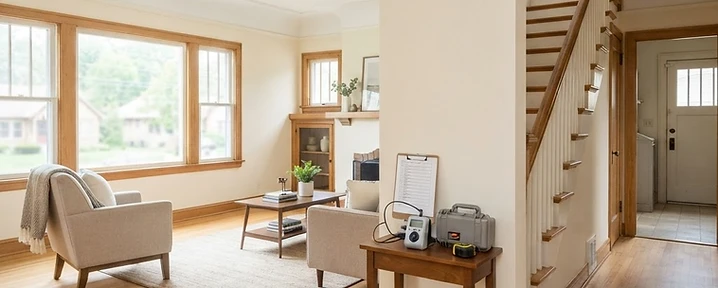
Regulatory benchmarks for pre-1978 residential properties are shifting both nationally and locally in Minnesota. The Minnesota Department of Health (MDH) is progressing through active rulemaking to assume direct state administration and enforcement of the federal Renovation, Repair, and Painting (RRP) program. Concurrently, MDH is preparing amendments to Minnesota Rules Chapter 4761 to align with updated U.S. Environmental Protection Agency (EPA) dust-lead hazard standards (DLHS) and clearance levels (DLCL).
Under the federal rule adopted in January 2025, DLHS thresholds drop from numerical levels (previously 10 µg/ft² on floors) to "any reportable level" analyzed by an EPA-recognized laboratory, alongside tightened clearance benchmarks. For real estate agents, listing brokers, and property managers navigating housing stock across Minneapolis, Saint Paul, and surrounding communities, these evolving standards underscore the importance of proactive environmental diligence.
Why Minnesota's Rulemaking Matters for Real Estate
Many residential neighborhoods throughout the Twin Cities metro area feature housing built before 1978, where original lead paint remains preserved beneath modern finishes. Under standard federal framework, any disturbance of painted surfaces in pre-1978 properties exceeding minor maintenance thresholds requires an EPA Lead-Safe Certified contractor.
Once Minnesota completes its transition to state-authorized enforcement, oversight shifts closer to home. Local regulatory involvement often leads to increased site inspections, streamlined response times for neighbor complaints, and greater scrutiny during municipal permit reviews. Notably, regulatory enforcement is already active; for example, the EPA previously finalized an enforcement settlement involving over $95,000 in penalties with a Twin Cities area contractor for failing to adhere to federal RRP requirements on pre-1978 residences in Hennepin County.
For real estate agents, regulatory shifts affect transaction momentum, repair negotiations, listing prep, and buyer confidence.
Recommended Guidance for Listing and Buying Agents
To facilitate smoother closings and minimize liability for your clients, consider integrating these practical steps into your transaction workflows:
1. Ensure Pre-Listing Renovations Follow Lead-Safe Work Practices
Home sellers often hire general painters, floor sanders, or handypersons to spruce up older homes prior to listing. If pre-1978 surfaces are scraped, sanded, cut, or removed without containment:
- It creates toxic lead dust that settles into carpets, heating ducts, and floorboards.
- It introduces significant liability if prospective buyers conduct a post-offer lead wipe test.
- Verify that any contractors hired for pre-sale repairs hold proper RRP certification.
2. Modernize Buyer Inspection Discussions
Buyers eyeing historic homes in neighborhoods like South Minneapolis, Saint Paul's Cathedral Hill, or inner-ring suburbs frequently request inspections. Educate buyers about the difference between a standard home inspection and an environmental risk evaluation:
- A standard home inspection identifies cosmetic peeling or visible wear, but cannot measure microscopic lead dust or identify whether underlying layers contain lead.
- Professional testing (using calibrated XRF analyzers and certified laboratory dust wipes) provides definitive answers without damaging trim or vintage woodwork.
3. Account for Tighter Dust Clearance Standards on Repairs
When a purchase agreement requires the seller to remediate peeling paint or repair old sash windows prior to closing, ensure the contract specifies proper lead-safe containment and post-work clearance wipes. Because clearance thresholds are stricter than ever, amateur cleanup with a shop vacuum will fail surface testing and delay escrow closing.
Proactive Steps for Multi-Family Investors and Landlords
For agents handling property management portfolios or representing multi-family investors, shifting rules directly impact maintenance routines:
- Unit Turnovers: Replacing kitchen cabinets, dry-sanding baseboards, or re-glazing old clawfoot tubs are classic triggers for lead dust exposure. Train maintenance teams on lead containment or outsource disturbing activities to licensed specialists.
- Mandatory Disclosures: In addition to providing the federal Protect Your Family from Lead in Your Home pamphlet, maintain meticulous records of any prior lead assessments, abatements, or clearance test results to satisfy disclosure obligations under Minnesota law.
- Tenant Relations: Uncontained remodeling work in shared hallways or common areas remains a leading source of complaints to municipal health inspectors. Proactive containment prevents work stoppages.
Partnering with Local Environmental Professionals
Navigating older properties does not require avoiding vintage homes; it simply requires reliable testing protocols and verified credentials. Identifying whether lead or asbestos hazards exist before demolition or staging begins keeps transactions moving forward predictably.
SAFE (Solutions for Asbestos Free Environments) serves property owners, real estate professionals, and managers across Minnesota with a strong presence in the Twin Cities. With certified lead and asbestos inspection and abatement capabilities, SAFE provides the factual data and professional remediation needed to protect occupants and keep real estate transactions on schedule.
We use Google AdSense to show ads on selected educational articles. Advertising cookies help us keep this content free. You can change this choice anytime.
Comments
(0)Join the conversation
Members can comment on articles. Create a free account to share your thoughts.
Create free accountNo comments yet. Be the first to share your thoughts.