
Minnesota Real Estate Investors & Flippers: How Shifting Lead & Asbestos Regulations Impact Your Bottom Line
With Minnesota advancing state-level RRP lead regulations and the EPA targeting legacy asbestos in renovation projects, real estate investors must plan due diligence early to protect margins and stay compliant.
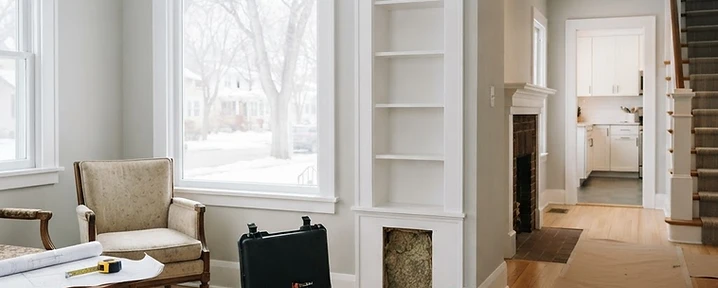
For residential real estate investors and house flippers, older housing stock represents some of the best return-on-investment opportunities across the Upper Midwest. However, navigating properties built before 1978 also brings distinct regulatory obligations—especially as federal and state oversight surrounding lead and asbestos continues to tighten.
Recent regulatory milestones underscore this shifting landscape. At the state level, the Minnesota Department of Health (MDH) has continued work to establish its own state-administered Lead Renovation, Repair, and Painting (RRP) program. While renovators in Minnesota historically fell directly under federal EPA administration, MDH's push toward state authorization involves tailored rules governing RRP firm certification, training requirements, work practice methods, and pre-renovation disclosures. Concurrently, the EPA finalized a historic ban on ongoing chrysotile asbestos uses under the Toxic Substances Control Act (TSCA) and released its comprehensive Part 2 Risk Evaluation targeting legacy asbestos uses and disposal—specifically highlighting exposure risks when older materials are disturbed during renovation and demolition.
For real estate professionals in the Twin Cities and throughout Minnesota, these developments mean that environmental compliance can no longer be an afterthought during property acquisition or project budgeting.
Why Shifting Environmental Rules Matter to House Flippers
When calculating potential profit margins on a flip or rental repositioning, unbudgeted environmental remediation and unexpected stop-work delays are significant risks. Under federal law, the EPA RRP Rule requires contractors performing renovation, repair, and painting projects that disturb lead-based paint in homes built before 1978 to be certified and follow lead-safe work practices.
As Minnesota formalizes state-level RRP oversight, local compliance scrutiny will inevitably increase. Non-compliance during demolition, window replacement, or drywall tear-outs can lead to state enforcement, substantial fines, and liability issues during tenant turnover or eventual resale.
Similarly, the EPA’s ongoing focus on legacy asbestos emphasizes that building materials installed decades ago—ranging from duct wrap and pipe insulation to vinyl floor tile, popcorn ceilings, and joint compound—present real exposure concerns when disturbed. Discovering friable asbestos mid-demolition without proper containment risks contaminating the job site, endangering crew health, and delaying project closeout schedules.
Practical Due Diligence Before You Demo
Whether acquiring a distressed duplex in Minneapolis or rehabilitating a single-family home in St. Paul, incorporating systematic environmental planning into your acquisition timeline helps preserve project velocity:
- Inspect Before You Bid or Close: Do not rely on visual assessments alone. Materials like lead paint and asbestos cannot be confirmed without laboratory testing or X-ray fluorescence (XRF) analysis. Incorporating professional hazardous material testing into your inspection contingency protects your purchase negotiations.
- Budget for Certified Remediation: If hazardous materials are identified, ensure your scope of work accounts for certified lead contractors or licensed asbestos abatement professionals. Trying to remove these materials using general demolition crews frequently results in broader cross-contamination and costly cleanup.
- Standardize Pre-Renovation Disclosures: If working on rental units or multi-family properties where tenants remain in place or turnover is pending, maintain compliant documentation. Minnesota statutes and federal regulations require strict pre-renovation education and disclosure before work disturbing painted surfaces begins.
- Keep Records for the Resale File: When flipping, sophisticated retail buyers and their inspectors routinely ask about renovations in pre-1978 structures. Having certified inspection reports and abatement clearance letters ready for your buyer's disclosure packet reassures purchasers and avoids last-minute renegotiations or closing holdbacks.
Educational Due Diligence with SAFE
Navigating hazardous material protocols does not have to derail your investment timetable. At SAFE (Solutions for Asbestos Free Environments), we provide unbiased, factual lead and asbestos testing, risk assessments, and clearance services tailored to residential renovators, property managers, and investors.
Serving communities across Minnesota with an active presence throughout the Twin Cities metro, SAFE focuses on providing clear, actionable data so investors can make informed decisions, protect tradespeople and occupants, and bring properties to market safely and compliant with state and federal regulations.
Disclaimer: This article provides general industry updates and educational information for real estate professionals. It does not constitute legal or specific regulatory advice. Property owners should consult official regulatory bodies or certified environmental professionals regarding specific property requirements.
We use Google AdSense to show ads on selected educational articles. Advertising cookies help us keep this content free. You can change this choice anytime.
Comments
(0)Join the conversation
Members can comment on articles. Create a free account to share your thoughts.
Create free accountNo comments yet. Be the first to share your thoughts.