
Minnesota Real Estate Update: Shifting Lead Standards, Stricter Clearance Levels, and What Realtors Need to Know
With Minnesota initiating rule changes to tighten residential lead dust standards and Minneapolis ramping up municipal abatement programs, real estate agents must navigate stricter compliance and disclosure rules for older properties.
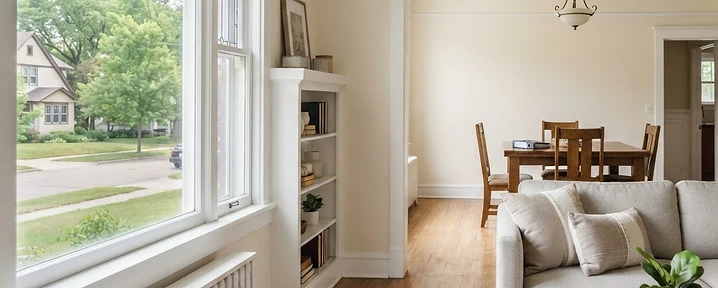
For real estate agents representing buyers, sellers, or rental property owners in Minnesota, the regulatory landscape regarding environmental hazards is undergoing a significant transition. Both state and federal environmental agencies have raised the bar on what is considered a safe living environment, particularly concerning lead paint in older housing stock.
According to recent regulatory filings from the Minnesota Department of Health (MDH), Minnesota is actively amending its rules for residential lead abatement under Minnesota Rules, Chapter 4761 (Revisor’s ID #4993). In response to updated federal standards established by the U.S. Environmental Protection Agency (EPA), Minnesota is moving to update its Dust-Lead Hazard Standards (DLHS) and post-abatement clearance levels. Simultaneously, municipalities across the state—from Minneapolis's intensified citywide lead hazard reduction programs to regional initiatives like Mankato’s Lead Safe Homes grant pursuits—are aggressively targeting lead paint hazards in pre-1978 properties.
Here is what real estate professionals need to know about these changes, how they affect transactions, and practical steps to guide clients smoothly through inspections, listings, and renovations.
Understanding the Rule Changes: Lower Action and Clearance Levels
The most notable development in Minnesota’s lead regulatory framework involves tightening dust-lead clearance levels (DLCL) and hazard definitions:
- Dust-Lead Hazard Standards (DLHS): MDH is amending Chapter 4761 to align with federal standards, defining dust-lead hazards as any reportable level detected by an EPA-recognized laboratory on floors and window sills, eliminating the older 10 µg/ft² and 100 µg/ft² numerical thresholds.
- Lower Post-Abatement Clearance Levels (DLCL): When lead abatement work is performed, the allowable dust thresholds required to pass inspection are dropping dramatically:
- Floors: Lowering from 10 µg/ft² to 5 µg/ft²
- Window Sills: Lowering from 100 µg/ft² to 40 µg/ft²
- Window Troughs: Lowering from 400 µg/ft² to 100 µg/ft²
These stricter benchmarks mean that visual cleanliness is no longer enough to confirm clearance. Specialized wipe testing analyzed by accredited laboratories is required to certify that post-remediation spaces meet these rigorous standards.
Why Older Homes in the Twin Cities Require Special Diligence
Roughly two-thirds of the housing stock in Minneapolis and St. Paul was constructed before 1978—the year the federal government banned lead-based paint in residential housing. A significant proportion of classic Twin Cities homes in neighborhoods like Near North, Powderhorn, Whittier, and Macalester-Groveland date back to the early-to-mid 20th century, where lead paint usage was common.
Furthermore, Minnesota Statutes previously lowered the blood lead level that triggers public health interventions to 3.5 µg/dL. Local public health departments in Hennepin and Ramsey counties are actively conducting environmental risk assessments when children test elevated. For agents dealing with older housing portfolios, navigating disclosures and renovation standards proactively protects transactions from costly last-minute closing delays.
Practical Guidance for Real Estate Agents
To safeguard both buyer and seller clients, realtors can adopt several standard best practices during transactions involving pre-1978 homes:
1. Ensure Flawless Compliance with the Lead Disclosure Rule
Under Title X of the 1992 Housing and Community Development Act, federal law mandates that sellers and landlords of pre-1978 housing:
- Provide the EPA-approved informational pamphlet, Protect Your Family from Lead in Your Home.
- Disclose any known lead-based paint or lead hazards, along with copies of available records or reports.
- Include a standard Lead Warning Statement and signed acknowledgment attached to the purchase or lease agreement.
- Provide buyers a 10-day mutual window to conduct an independent lead inspection or risk assessment (unless waived in writing).
The EPA and the National Association of Realtors continue to emphasize strict enforcement of these rules, making careful documentation essential for both listing and buyer agents.
2. Guide Sellers on Minor Pre-Sale Touch-Ups
Sellers often believe a quick DIY paint job will refresh peeling window sills or chipped baseboards before listing. However, improper scraping, sanding, or heat-gunning can create pervasive, microscopic lead dust that contaminates the entire property. Remind sellers that if they are hiring contractors for repair or pre-listing remodeling in a pre-1978 home, those contractors must be certified under the EPA’s Renovation, Repair, and Painting (RRP) Rule.
3. Recommend Targeted Environmental Assessments
A standard general home inspection evaluates property condition, but it is not an environmental lead risk assessment. For buyers with young children, pregnant family members, or those planning comprehensive interior renovations, suggest retaining a licensed environmental professional to perform X-ray fluorescence (XRF) paint testing or wipe sampling.
4. Plan for Stricter Post-Abatement Verification
If a transaction involves an agreed-upon lead hazard repair or municipal order compliance, ensure the closing timeline accounts for post-abatement clearance wipe testing. Given the lower clearance thresholds (5 µg/ft² on floors), remediation contractors must execute thorough HEPA-vacuuming and wet-cleaning protocols to achieve clearance on the first round of testing.
Trusted Support Across Minnesota
Navigating legacy building materials requires accurate data rather than guesswork. SAFE (Solutions for Asbestos Free Environments) serves property owners, real estate professionals, and managers across Minnesota, with a strong presence throughout the Twin Cities metro.
Whether your clients require pre-purchase lead risk assessments, certified asbestos surveys before a planned remodel, or post-remediation clearance testing, partnering with qualified specialists ensures transactions proceed smoothly, safely, and in full compliance with evolving state and federal standards.
We use Google AdSense to show ads on selected educational articles. Advertising cookies help us keep this content free. You can change this choice anytime.
Comments
(0)Join the conversation
Members can comment on articles. Create a free account to share your thoughts.
Create free accountNo comments yet. Be the first to share your thoughts.