
Minnesota’s Lead Rulemaking is Moving Forward: What Real Estate Investors and House Flippers Need to Know
With Minnesota transitioning regulatory oversight for lead Renovation, Repair, and Painting (RRP) to state level, real estate investors and flippers must adapt their due-diligence and renovation workflows.
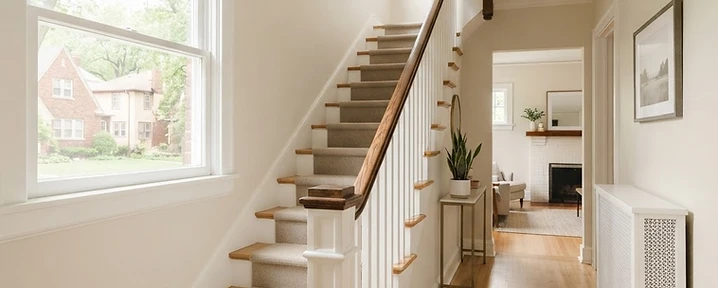
For real estate investors and house flippers across Minnesota, older residential housing stock offers tremendous value-add potential. Historic duplexes in Saint Paul, classic Minneapolis bungalows, and mid-century suburban ranches are prime targets for gut renovations. However, working on pre-1978 properties comes with strict legal and environmental responsibilities that are actively shifting.
The Minnesota Department of Health (MDH) is advancing rulemaking to administer and enforce the Renovation, Repair, and Painting (RRP) program directly at the state level. In a series of stakeholder updates and formal crosswalk presentations released through MDH's RRP rulemaking docket, the state outlined plans to assume regulatory oversight from EPA Region 5. For investors, this transition will bring local enforcement closer to home, placing an even sharper focus on lead-safe work practices and contractor certifications on job sites throughout Minnesota.
Here is what flippers and housing investors need to know about these regulatory movements and how to protect both your margins and future occupants.
What Minnesota’s RRP Shift Means for Job Sites
Historically, the federal EPA RRP Rule has applied to contractors disturbing painted surfaces in pre-1978 residential housing. Under federal rules, firms must be certified, work must follow containment and dust-minimization protocols, and certified renovators must oversee cleaning verification.
As MDH moves toward finalizing its own state-authorized RRP program, investors can anticipate:
- Closer Local Oversight: State-level inspectors can respond more directly to complaint calls, municipal permit referrals, and site inspections.
- Strict Permitting Links: Minnesota statute (Minn. Stat. § 326B.106) already requires contractors working on pre-1978 housing to hold proper lead credentials before receiving local building permits. State-administered oversight will further align these local code enforcement checks.
- Documented Containment: Draft guidance from the state emphasizes formal on-site work plans and documented cleaning verification, meaning casual DIY demolition on pre-1978 properties carries increased compliance risk.
Asbestos and Lead: The Dual Risk in Pre-1978 Flips
When buying a distressed property, lead paint is rarely the only legacy material on site. In the Upper Midwest, homes built prior to the 1980s commonly feature asbestos-containing materials (ACMs).
Before taking a sledgehammer to a wall or pulling up vintage kitchen flooring, remember:
- 9-inch Vinyl Floor Tiles: Older floor tiles and the black mastic underneath them frequently contain asbestos.
- Duct and Pipe Insulation: Gravity furnaces and boiler systems in older Twin Cities homes often have fibrous asbestos wrap or mudded fittings.
- Textured Ceilings and Drywall Joint Compounds: Popcorn ceilings, acoustic plaster, and joint compounds used well into the late 1970s often contained chrysotile asbestos.
Demolition without testing creates invisible dust hazards. If lead dust or asbestos fibers settle into framing, HVAC ducts, or subfloors, cleanup costs multiply dramatically.
Practical Due-Diligence Checklist for Investors
To keep projects on budget, on schedule, and aligned with state and federal regulations, integrate these steps into your standard operating procedure:
1. Perform Hazardous Material Due Diligence Early
During your purchase inspection contingency, hire a certified environmental inspector to test suspected lead-based coatings and sample potential asbestos-containing materials. Knowing your remediation costs upfront prevents unexpected five-figure surprises halfway through demolition.
2. Vet Your General Contractors and Subs
Ensure every trade contractor disturbing painted surfaces in a pre-1978 home holds valid EPA (or state-level) lead renovator credentials. Request copies of their firm certifications before signing subcontracts. If non-certified trades create lead dust hazards on your site, project delays and regulatory enforcement can stall the entire development.
3. Plan for Clearance Inspections
Even when standard RRP cleaning protocols are observed, prudent investors selling high-end renovated homes or placing long-term rental tenants should consider third-party dust-wipe clearance testing. Documenting that the home meets clean dust standards provides tangible reassurance to prospective buyers and tenants, especially young families.
4. Maintain Accurate Disclosure Records
Federal law (Section 1018 of Title X) mandates that sellers and landlords disclose known lead-based paint and provide testing reports to prospective buyers or tenants. Having professional clearance reports on file proves due diligence and streamlines closing paperwork.
Building Safer Renovations in the Twin Cities
Navigating environmental standards does not have to stall your pipeline. By treating lead and asbestos inspections as standard pre-acquisition line items, you protect your timelines, preserve your margins, and safeguard future residents.
Based in Minnesota with a strong presence throughout the Twin Cities metro, SAFE (Solutions for Asbestos Free Environments) assists investors, flippers, and property managers with professional asbestos and lead inspections, risk assessments, and clearance testing. If you are assessing an upcoming acquisition or preparing to pull permits on an older home, schedule an inspection before demolition begins.
We use Google AdSense to show ads on selected educational articles. Advertising cookies help us keep this content free. You can change this choice anytime.
Comments
(0)Join the conversation
Members can comment on articles. Create a free account to share your thoughts.
Create free accountNo comments yet. Be the first to share your thoughts.