
Minnesota’s Tighter Lead Dust Rules: What Homeowners Need to Know Before Remodeling
Following new EPA federal benchmarks, Minnesota is updating state lead hazard rules to any reportable dust level—here is what local homeowners should know before tackling home renovations.
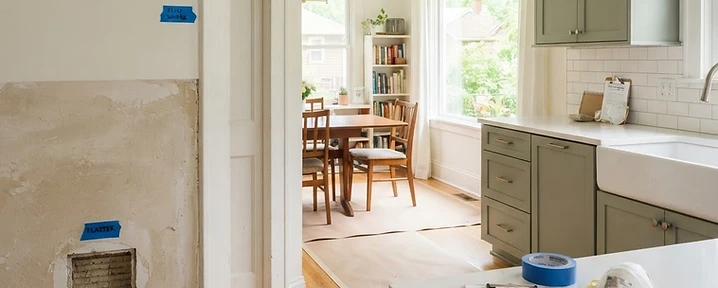
If you are planning to update a kitchen, remodel a bathroom, or sand down original trim in an older home, regulatory updates in Minnesota are shifting how lead hazards are evaluated and cleaned up.
Following final federal rulemaking from the U.S. Environmental Protection Agency (EPA) that took effect in January 2025, the Minnesota Department of Health (MDH) is actively advancing state rulemaking (Revisor's ID #4993) under Minnesota Rules Chapter 4761. The rulemaking aligns Minnesota with the EPA's stricter Dust-Lead Hazard Standards (DLHS) and Dust-Lead Clearance Levels (DLCL). Under these revised benchmarks, the threshold for lead dust hazards on floors and window sills is shifting from previous numerical limits (such as 10 µg/ft² on floors) toward "any reportable level" detected by an EPA-recognized laboratory.
Concurrently, MDH continues its stakeholder work to assume direct state authorization over the federal Renovation, Repair, and Painting (RRP) program. For Twin Cities homeowners living in character-rich older properties, these changes emphasize a clear public health reality: even small amounts of microscopic paint dust generated during a weekend DIY project or contractor remodel require careful planning.
Why Lead Dust Standards Are Getting Stricter
Many houses and apartments built before 1978 contain original lead-based paint under coats of newer latex or oil paint. When undisturbed and in good condition, lead paint generally does not pose an immediate risk. However, common renovation tasks—such as scraping exterior siding, sanding interior woodwork, cutting drywall, or replacing drafty window sashes—can generate fine, invisible dust.
Unlike visible chips of paint, fine lead dust settles on floors, window troughs, and air ducts. It is easily tracked throughout living spaces on shoes or inhaled during cleanup. Because medical research demonstrates that no level of lead exposure is completely harmless—especially for young children whose nervous systems are still developing—regulators have progressively lowered the acceptable post-renovation dust thresholds to the lowest levels modern testing can reliably report.
Practical Steps Before Starting a Renovation or Repair
Whether you are tackling a minor cosmetic update or a full-scale gut renovation, taking a structured approach before swinging a hammer will protect your household and save time.
1. Confirm Your Home’s Age and Test Before Demolition
If your home was constructed prior to 1978, assume lead paint may be present until testing proves otherwise. Simple hardware-store chemical swabs often yield false positives or false negatives on multi-layered vintage paint. A targeted inspection by a licensed lead inspector using portable X-ray fluorescence (XRF) technology provides non-destructive, immediate readings of every painted surface without damaging your finish woodwork.
2. Verify Contractor Credentials
If you are hiring professionals to renovate, repair, or repaint any home built before 1978, state and federal regulations require contractors disturbing painted surfaces above minor maintenance thresholds to be EPA- or state-certified in lead-safe work practices. Always ask prospective contractors:
- Are you certified under the EPA RRP Rule?
- What containment practices will you establish to keep dust out of living areas?
- How will you clean the site, and do you verify clearance?
Before work begins, contractors must also supply you with the official EPA educational pamphlet, Renovate Right.
3. Practice Containment and HEPA Filtration
If you are handling approved minor repairs yourself, standard housekeeping equipment is not sufficient for lead containment:
- Seal the Work Area: Hang heavy plastic sheeting (6-mil poly) over doorways, vents, and registers to prevent dust migration.
- Avoid Dry Sanding or Open-Flame Torches: Use wet-sanding sponges or mist surfaces with water before scraping to prevent paint particles from becoming airborne.
- Use Genuine HEPA Vacuums: Standard household shop vacuums lack the filtration needed to capture microscopic lead particles and will simply exhaust fine lead dust back into your living room. Use only true HEPA-rated vacuums paired with disposable wet-cleaning wipes.
4. Schedule Post-Project Clearance Testing
Once work wraps up and final cleaning is complete, professional dust-wipe clearance testing provides definitive verification. A certified technician collects dust samples from floors and window sills and submits them to an accredited lab. With Minnesota moving toward reportable-level thresholds, professional clearance testing ensures your space is genuinely safe for children, pets, and the whole family before you unpack.
Guidance for Property Sales and Tenant Turnovers
If your remodel is in preparation for selling your home or leasing a rental unit, proactive environmental testing protects both parties:
- Real Estate Transactions: Documented lead-safe clearance reports provide prospective buyers with transparency and eliminate surprises during buyer home inspections.
- Tenant Turnovers: Property owners can dramatically reduce liability by testing rental units between tenancies, addressing peeling trim immediately, and keeping verifiable dust-wipe clearance reports on file.
Moving Forward with Confidence
Living in an older home does not mean you have to put your remodeling dreams on hold. Modern lead safety is about preparation, containment, and verified cleanliness.
At SAFE (Solutions for Asbestos Free Environments), we serve homeowners and property managers across Minnesota, with a strong presence throughout the Twin Cities metro. Whether you need pre-renovation paint inspections, hazardous material assessments, or post-abatement clearance testing, our certified team provides accurate, objective answers so you can complete your project safely and responsibly.
We use Google AdSense to show ads on selected educational articles. Advertising cookies help us keep this content free. You can change this choice anytime.
Comments
(0)Join the conversation
Members can comment on articles. Create a free account to share your thoughts.
Create free accountNo comments yet. Be the first to share your thoughts.