
Minnesota Updates Lead and Asbestos Standards: What Homeowners Need to Know Before Remodeling
With the Minnesota Department of Health and EPA significantly tightening residential dust-lead hazard standards and state environmental agencies strictly enforcing asbestos demolition rules, homeowners planning renovations must take proactive steps to test and plan safely.
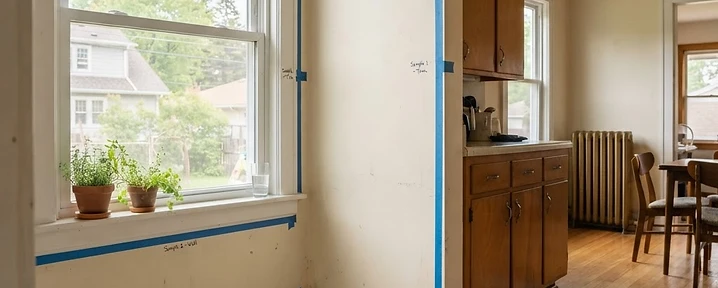
Planning a kitchen update, opening up a floor plan, or replacing original drafty windows in your home? Before you pull out a crowbar or hire a demolition crew, recent regulatory updates in Minnesota emphasize just how critical it is to identify hidden environmental hazards before disturbing older building materials.
The Minnesota Department of Health (MDH) has initiated major rulemaking for Chapter 4761 (Residential Lead Abatement) to conform with federal Environmental Protection Agency (EPA) standards. These updates dramatically tighten dust-lead hazard standards (DLHS) and dust-lead clearance levels (DLCL). Under the revised framework, the threshold defining a dust hazard on interior floors and window sills shifts toward any reportable level detectable by an EPA-recognized laboratory, while post-abatement clearance levels drop from 10 µg/ft² to 5 µg/ft² on floors and from 100 µg/ft² down to 40 µg/ft² on sills.
Simultaneously, state agencies like the Minnesota Pollution Control Agency (MPCA) have reinforced enforcement regarding proper asbestos handling—recently issuing substantial penalties to local contractors who disturbed and disposed of asbestos-containing debris without mandated advance notifications and containment.
For Minnesota homeowners, these actions send a clear message: managing hazardous dust during residential alterations is under higher scrutiny than ever, and protecting your living space starts before any work begins.
Why Older Homes Carry Unique Renovation Risks
Many neighborhoods across Minneapolis, Saint Paul, and surrounding older suburbs feature classic housing stock built before 1978. While these homes offer undeniable character, they frequently contain legacy materials:
- Lead-Based Paint: Used extensively across trims, baseboards, window sashes, and exterior siding prior to its federal ban in 1978. When sanded, scraped, or sawed, it creates microscopic toxic dust that settles onto floors and carpets.
- Asbestos-Containing Materials (ACM): Commonly found in floor tiles, pipe wrap, duct insulation, popcorn ceilings, textured wall finishes, and exterior siding. Asbestos fibers become hazardous when materials are broken, crushed, or sanded during demolition.
Routine activities such as tearing out bathroom tile or replacing window frames can inadvertently aerosolize these particles throughout your living quarters, posing long-term respiratory and neurological health concerns if containment is overlooked.
Practical Steps Before You Start Demolition
To keep your project running smoothly and avoid spreading microscopic contaminants throughout your home, incorporate these preventative measures into your planning checklist:
1. Test Before You Touch
Never assume building materials are free of lead or asbestos based solely on visual inspection. A certified, licensed inspector can perform professional testing using specialized methods such as X-ray fluorescence (XRF) for lead paint and bulk sampling for suspected asbestos. Testing ahead of time eliminates guesswork, prevents unexpected delays once permits are pulled, and determines whether ordinary remodeling procedures or certified containment protocols apply.
2. Verify Your Contractor’s Credentials
If your home was constructed before 1978, anyone you hire to perform renovation, repair, or painting work that disturbs painted surfaces must follow EPA Lead-Safe Certified work practices under the Renovation, Repair, and Paint (RRP) rule. Ask prospective general contractors for proof of current certification. If asbestos abatement or extensive lead removal is required, ensure the contractor holds valid Minnesota Department of Health licensing.
3. Establish Clear Containment Boundaries
If work proceeds in an occupied residence, containment is vital. Lead-safe and asbestos-safe work methods include:
- Sealing doorways and HVAC return vents with heavy plastic sheeting.
- Operating negative-pressure HEPA air scrubbers within the work envelope.
- Using wet-scraping and wet-sanding techniques rather than dry methods.
- Utilizing certified HEPA vacuums for thorough, ongoing cleanup rather than standard residential shop vacuums.
4. Require Clearance Testing
Once the project wraps up, visual inspection alone is insufficient to verify that dust levels are acceptable. In light of Minnesota’s newly lowered clearance levels, post-remediation dust wipe sampling provides objective verification that surfaces have been thoroughly cleaned before family members or pets re-enter the space.
Safe Planning for Your Minnesota Home
Renovating should be an exciting milestone, not a source of stress. Taking an informed, cautious approach early in the design and planning phase prevents accidental cross-contamination and avoids costly project shutdowns.
At SAFE (Solutions for Asbestos Free Environments), we serve homeowners across Minnesota with a strong presence in the Twin Cities metro area. Our experienced, licensed professionals specialize in comprehensive lead paint assessments, asbestos surveys, and professional abatement strategies designed to help you prepare responsibly for your next home improvement project.
We use Google AdSense to show ads on selected educational articles. Advertising cookies help us keep this content free. You can change this choice anytime.
Comments
(0)Join the conversation
Members can comment on articles. Create a free account to share your thoughts.
Create free accountNo comments yet. Be the first to share your thoughts.