
Minnesota Updates Lead Dust and Renovation Rules: What Homeowners Need to Know Before Remodeling
Minnesota is adopting stricter lead dust hazard standards and state-level renovation rules. Here is what homeowners must know to plan safe, compliant home improvements.
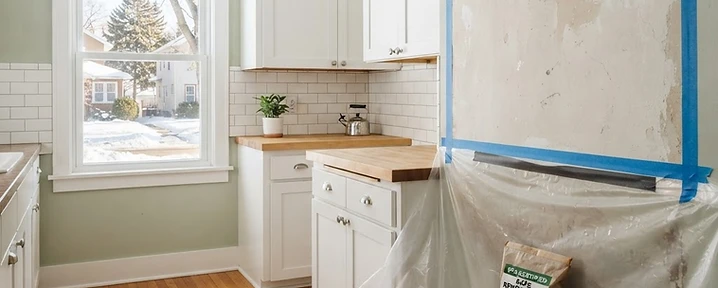
Planning a kitchen refresh, replacing drafty original windows, or tackling a full basement remodel? If your home was built before 1978, recent regulatory changes at both state and federal levels could directly impact your upcoming project.
The Minnesota Department of Health (MDH) is currently advancing major updates to Minnesota Rules Chapter 4761 governing residential lead abatement and is actively developing state-administered Lead Renovation, Repair, and Paint (RRP) standards. Following the U.S. Environmental Protection Agency’s (EPA) strengthened dust-lead hazard benchmarks, Minnesota is transitioning to markedly lower clearance thresholds—lowering post-abatement dust-lead clearance levels to 5 µg/ft² on floors and 40 µg/ft² on window sills, while setting the residential dust-lead hazard standard to any laboratory-reportable level.
Simultaneously, the state's ongoing RRP rulemaking process will soon bring direct state oversight to contractors working in pre-1978 properties across Minnesota. For homeowners, these regulatory movements underscore an essential reality: managing fine construction dust during residential work is no longer an afterthought—it requires careful planning before the first wall comes down.
Why Dust Control Matters During Home Remodeling
Many classic Twin Cities and broader Minnesota neighborhoods feature homes built in the late 19th and mid-20th centuries. These properties possess incredible architectural charm, but they also frequently contain legacy building materials, primarily lead-based paint and asbestos insulation, flooring, or drywall compound.
When remodeling activities such as demolition, power sanding, sawing, or scraping occur, they create invisible, microscopic particles. Lead-contaminated dust settled on trim, floorboards, or window sills can be easily inhaled or transferred onto hands and household items, posing developmental health hazards to infants, young children, and pets.
The recent shift toward near-zero clearance thresholds reflects modern health research showing that even trace amounts of fine lead dust can be concerning. Taking sensible precautions upfront ensures that your investment improves your home’s value without spreading hazardous contaminants throughout living spaces.
Practical Steps for Homeowners Before Starting a Project
Whether you are handling repairs yourself or hiring a general contractor, a structured approach keeps your household clean and compliant:
- Determine the Age of Your Home: Properties constructed prior to 1978 should be presumed to contain lead-based paint unless proven otherwise through certified testing. Homes built before the late 1980s may also contain asbestos in acoustic ceilings, pipe wraps, linoleum backing, or exterior siding.
- Schedule Professional Testing Early: Rather than guessing, bring in a licensed, independent inspector to conduct paint sampling or an asbestos survey prior to demolition. Knowing exactly where materials are located allows you to tailor your project budget and scope accurately.
- Hire Certified RRP and Abatement Contractors: If hiring out work on a pre-1978 property, verify that your general contractor or trade professional holds lead-safe certification. When formal hazardous material removal is necessary, contract with a state-licensed abatement company.
- Isolate the Work Zone: Ensure your project plan includes comprehensive containment: sealing HVAC returns and doorways with heavy plastic sheeting, utilizing negative air pressure units equipped with HEPA filtration, and setting up clean transition zones.
- Require Post-Project Dust Clearance: After work finishes, demand a professional post-cleanup inspection and dust-wipe clearance testing. This provides objective, lab-verified proof that dust-lead levels meet modern health-protective thresholds before your family moves back into the space.
Moving Forward with Confidence
Upgrading an older home should be an exciting milestone. Regulatory developments from the Minnesota Department of Health are designed to bring clarity and higher safety benchmarks to residential work across our communities.
At SAFE (Solutions for Asbestos Free Environments), we provide comprehensive, reliable asbestos and lead inspection, risk assessment, and abatement solutions across Minnesota, with a dedicated team serving the Minneapolis–St. Paul metropolitan area and surrounding regions. If you are preparing for a renovation, sale, or historic home restoration, our team can help evaluate your property's environmental baseline so you can build with peace of mind.
We use Google AdSense to show ads on selected educational articles. Advertising cookies help us keep this content free. You can change this choice anytime.
Comments
(0)Join the conversation
Members can comment on articles. Create a free account to share your thoughts.
Create free accountNo comments yet. Be the first to share your thoughts.