
Minnesota Updates Lead Dust Clearance Standards: What Landlords and Property Managers Need to Know
Following the EPA's stricter lead regulations, the Minnesota Department of Health has initiated rulemaking to lower residential dust-lead hazard and clearance levels, with major operational impacts for multi-family property managers and residential landlords.
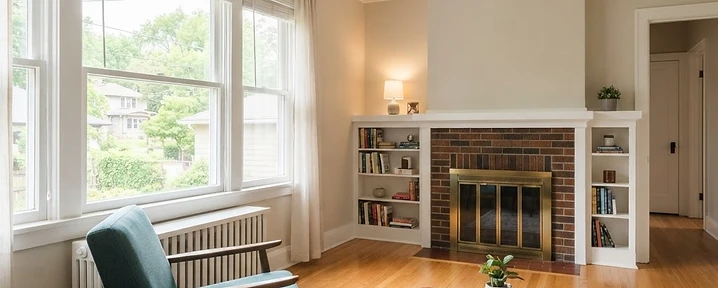
For residential property managers and landlords across Minnesota, navigating environmental compliance is an ongoing priority—and the bar for lead safety is rising once again.
Following the U.S. Environmental Protection Agency’s (EPA) finalized standards that took effect in January 2025, the Minnesota Department of Health (MDH) initiated formal rulemaking (Revisor's ID #4993) to amend Minnesota Rules, Chapter 4761, which governs Residential Lead Abatement. Under the proposed state rule updates, dust-lead hazard standards (DLHS) will shift from specific numerical caps to "any reportable level by an EPA-recognized laboratory" for both floors and window sills. Simultaneously, proposed dust-lead clearance levels (DLCL)—the levels required to deem abatement work complete—are dropping significantly: from 10 to 5 μg/ft² on floors, from 100 to 40 μg/ft² on window sills, and down to 100 μg/ft² on window troughs.
In addition, MDH is actively advancing its own permanent rules to oversee the federal Renovation, Repair, and Paint (RRP) program directly at the state level. Whether you manage a historic brownstone in Saint Paul or a portfolio of pre-1978 rental homes in Minneapolis, these regulatory shifts will fundamentally influence how you handle maintenance, tenant turnover, and unit remodels.
Why Dust-Lead Clearance Matters for Landlords
Lead dust is the primary pathway of childhood lead exposure. Microscopic particles settle onto floors, sills, and carpets when painted surfaces experience friction (such as opening and closing vintage double-hung windows) or during routine maintenance.
Historically, post-abatement dust clearances allowed a modest threshold of residual lead dust. Under the newly proposed rules, testing will require higher precision and rigorous cleaning protocols before clearance can be achieved. If your contractors or in-house maintenance crews fail to contain dust or clean thoroughly using specialized techniques, units will not pass post-work clearance testing—leading to extended unit vacancies, costly re-cleaning, and delayed tenant move-ins.
Practical Guidance Before Your Next Maintenance or Turnover Project
To safeguard residents and protect property assets, rental housing operators should integrate proactive lead-safe workflows into their daily standard operating procedures.
1. Identify Your Pre-1978 Inventory Early
Do not wait for a tenant turnover or a scheduled city inspection to review the age of your structures. Properties built before 1978 should be presumed to contain lead-based paint unless certified otherwise by a comprehensive lead inspection using X-Ray Fluorescence (XRF) testing. Documenting lead-free surfaces upfront prevents unnecessary remediation costs later.
2. Verify Contractor RRP and Abatement Credentials
State and federal regulations strictly dictate who can disturb painted surfaces in pre-1978 housing:
- Routine Repairs & Painting: Contractors disturbing more than minimal thresholds of painted surfaces must be certified under EPA/MDH Lead RRP regulations.
- Ordered Remediations or Abatements: If a project involves permanent elimination of lead-based paint hazards (often triggered by health department orders or major capital improvements), only state-licensed lead abatement contractors and supervisors may perform the work.
Always request and log copies of your contractors' active firm certifications and individual worker credentials prior to issuing work orders.
3. Review Standard Tenant Turn Procedures
Simple tasks like swapping kitchen cabinets, hanging drywall patches, or sanding window trim can distribute toxic lead dust throughout an entire apartment. Update your in-house turnover checklists to ensure:
- Work areas are sealed with appropriate poly sheeting.
- Air handlers and HVAC return vents are covered during dust-generating tasks.
- HEPA-vacuuming and two-bucket wet wiping are used rather than dry broom sweeping.
4. Implement Dust Clearance Testing Proactively
Even when work does not involve a formal state abatement order, conducting independent, third-party lead dust wipe sampling after major renovations gives property managers verified proof that a unit was delivered to incoming tenants in a clean, lead-safe condition.
Navigating Environmental Health in the Twin Cities
Regulatory enforcement around residential habitability and lead safety continues to strengthen statewide. Keeping your staff educated, selecting qualified environmental consultants, and maintaining thorough inspection records are your best tools for seamless compliance.
At SAFE (Solutions for Asbestos Free Environments), we serve clients throughout Minnesota with an active, dedicated presence across the Twin Cities metro area. Our licensed environmental professionals provide comprehensive lead risk assessments, XRF paint inspections, post-renovation dust clearance testing, and asbestos surveys designed to help housing providers plan safe, timely, and compliant projects.
We use Google AdSense to show ads on selected educational articles. Advertising cookies help us keep this content free. You can change this choice anytime.
Comments
(0)Join the conversation
Members can comment on articles. Create a free account to share your thoughts.
Create free accountNo comments yet. Be the first to share your thoughts.