
Minnesota Updates Lead Dust Rules: What Real Estate Investors and House Flippers Must Know
With Minnesota initiating updates to Chapter 4761 lead dust standards following federal benchmarks, property investors and flippers must adapt renovation budgets, schedules, and clearance procedures.
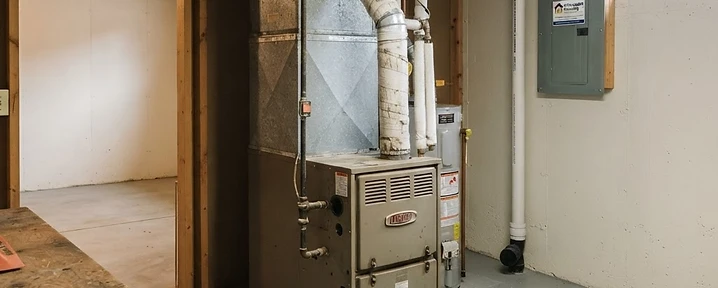
For residential real estate investors and house flippers across the Upper Midwest, aging housing stock presents both an incredible value-add opportunity and significant regulatory responsibility. In markets like the Twin Cities, where roughly two-thirds of homes were constructed prior to the 1978 federal ban on residential lead paint, hazard management is never just an afterthought—it directly impacts project margins, safety, and closing timelines.
A significant regulatory shift is currently underway in Minnesota that will affect how renovators plan and verify post-work cleanliness. Following updated federal standards from the U.S. Environmental Protection Agency (EPA), the Minnesota Department of Health (MDH) has initiated formal rulemaking under Revisor's ID #4993 to amend Minnesota Rules, Chapter 4761, which governs residential lead abatement.
Here is an overview of what is changing, why it matters for your investment portfolio, and practical steps you can take before your next rehab project.
The Changing Landscape: Tighter Dust Standards and Clearance Levels
Historically, post-remediation dust wipe tests operated under thresholds that allowed measurable amounts of residual lead dust. However, reflecting clinical data showing that even low-level lead exposure can adversely affect health—particularly in young children—regulatory benchmarks have continued to tighten.
Under MDH’s active rulemaking conforming to EPA rules, key residential dust metrics are slated for dramatic reductions:
- Dust-Lead Hazard Standards (DLHS): Lowering from 10 µg/ft² on floors and 100 µg/ft² on window sills to any reportable level detected by an EPA-recognized laboratory.
- Dust-Lead Clearance Levels (DLCL): Lowering post-abatement verification standards from 10 µg/ft² down to 5 µg/ft² for floors, from 100 µg/ft² to 40 µg/ft² on window sills, and from 400 µg/ft² to 100 µg/ft² for window troughs.
For investors and flippers, these changes mean that visual cleanliness alone is insufficient. Dust settling on baseboards, subfloors, and sills after demolition or dry scraping can easily cause a property to fail post-work verification testing if rigorous containment and cleaning protocols are not executed from day one.
Why This Matters for Investors and Rehabbers
Whether you are acquiring a duplex to hold as a long-term rental or flipping a turn-of-the-century single-family home in Minneapolis or St. Paul, these regulatory standards affect several parts of your business model:
- Closing Timelines & Disclosures: Federal and state regulations require sellers and landlords to disclose known lead-based paint and inspection records. Failing clearance wipes can stall lease-up or delay a buyer's financing sign-off.
- Subcontractor Compliance: Under the EPA's Renovation, Repair, and Painting (RRP) Rule, contractors disturbing more than minimal amounts of painted surfaces in pre-1978 properties must be certified and utilize lead-safe work practices. Partnering with uncertified crews can introduce legal liabilities and costly rework.
- Tenant Turnover and Turnover Costs: With the Minnesota Legislature having lowered the state's elevated blood lead level reference to align with CDC guidance, local public health departments can initiate environmental risk assessments when a tenant child tests positive. Proactive property management reduces friction and keeps rental assets compliant.
Practical Steps Before Starting Your Next Renovation
Before picking up a sledgehammer or stripping trim, integrating environmental due diligence into your deal analysis protects both project profitability and future occupants.
1. Conduct Testing During the Inspection Period
Do not rely solely on construction year estimates or visual inspection. Commission an environmental testing professional to perform an X-ray fluorescence (XRF) inspection of painted surfaces. Identifying whether lead is present on trim, siding, or window frames ahead of closing allows you to accurately budget abatement or containment expenses into your initial offer.
2. Isolate Demolition and Use Source Containment
If you are gutting kitchens, modernizing original wood windows, or opening walls, always mandate containment:
- Seal off work zones with heavy plastic sheeting and negative air units where applicable.
- Ensure HVAC vents are sealed to prevent contaminated dust from traveling through ductwork to newly finished areas.
- Avoid open-flame burning, power sanding without HEPA vacuum attachments, or dry sweeping.
3. Implement Multi-Stage HEPA Cleaning
Passing a clearance inspection at 5 µg/ft² requires disciplined decontamination. Utilize a dedicated HEPA-vacuum, followed by a wet wash with appropriate detergent solutions, and finish with a clean rinse. Allow surfaces to dry before conducting official clearance wipe sampling.
4. Maintain Complete Documentation
Retain testing reports, contractor certifications, and final clearance certificates in your permanent transaction file. Having a clean bill of health verified by an independent third party reassures prospective retail buyers and streamlines tenant disclosures.
Partnering for Environmental Diligence
Navigating Minnesota's updated lead standards and managing hazardous materials requires dependable, localized expertise. Based in Minnesota with a strong presence across the Twin Cities metro area, Solutions for Asbestos Free Environments (SAFE) provides licensed asbestos and lead inspection and abatement services designed to help developers, flippers, and landlords evaluate environmental risks accurately before breaking ground.
We use Google AdSense to show ads on selected educational articles. Advertising cookies help us keep this content free. You can change this choice anytime.
Comments
(0)Join the conversation
Members can comment on articles. Create a free account to share your thoughts.
Create free accountNo comments yet. Be the first to share your thoughts.