
Minnesota Updates Lead Dust Standards: What Landlords and Property Managers Must Know
Following the EPA's recent national lead rule updates, the Minnesota Department of Health is revising state dust-lead standards to 'any reportable level.' Here is what rental property owners and managers need to know before initiating maintenance or turnover projects.
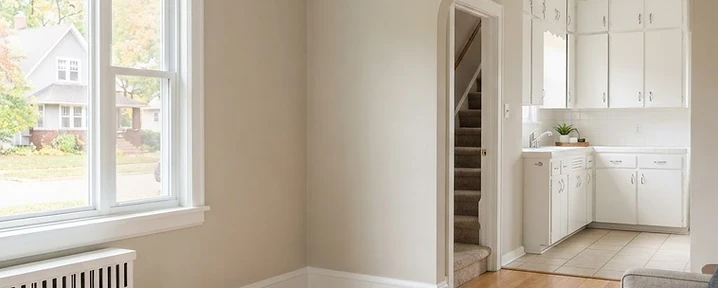
Property managers and rental property owners across Minnesota are facing significant shifts in environmental compliance. Following the U.S. Environmental Protection Agency's (EPA) finalized dust-lead hazard standards that took effect in January 2025, the Minnesota Department of Health (MDH) has initiated active rulemaking (Revisor's ID #4993) to update Minnesota Rules, Chapter 4761.
Under the proposed state revisions, MDH plans to align Minnesota's residential lead abatement framework with federal thresholds. Most notably, the proposed amendments drop the residential dust-lead hazard standards (DLHS) from 10 micrograms per square foot (µg/ft²) on floors and 100 µg/ft² on window sills down to any reportable level detected by an EPA-recognized laboratory. At the same time, MDH is progressing toward direct state administration of the federal Renovation, Repair, and Paint (RRP) program for pre-1978 residences.
For residential landlords and community managers—particularly those overseeing aging housing stock across Minneapolis, St. Paul, and older inner-ring suburbs—these updates fundamentally alter how turnover work, remodeling, and maintenance should be approached.
Why 'Any Reportable Level' Changes the Calculus
Historically, post-work clearance and hazard thresholds provided a measurable buffer before a surface was legally categorized as hazardous. By shifting the hazard threshold to "any reportable level," regulatory and health agencies are reflecting modern public-health consensus: there is no safe blood-lead level in children.
For property managers, this change means:
- Zero Margin for Poor Cleanup: Standard custodial cleaning after minor drywall work, trim repair, or window replacement in pre-1978 buildings will almost certainly leave traces of lead dust above laboratory reporting limits.
- Increased Scrutiny During Unit Turnover: Tenant complaints or proactive health assessments can trigger sampling that identifies hazards much more readily than under older, higher numeric thresholds.
- Higher Demand for Specialized Verification: Visual inspections alone are insufficient. Documented, laboratory-verified clearances will become increasingly standard for risk mitigation.
Practical Steps for Landlords Before Beginning Work
Whether you are preparing a single-family rental for new occupants or managing scheduled renovations in a multi-unit complex, incorporating proactive lead practices prevents costly delays and tenant disputes.
1. Confirm Property Age and Historical Records
Any residential building constructed before 1978 is presumed to contain lead-based paint unless proven otherwise by a comprehensive inspection. Review historical permits, past testing reports, and baseline records before scheduling contractors or dispatching internal maintenance staff.
2. Differentiate Maintenance from RRP-Regulated Work
Under federal guidelines and MDH's pending state-level RRP enforcement, any work disturbing more than minor surface areas (such as window replacements, sanding, or demolition) requires EPA-certified firms utilizing certified renovators and lead-safe work practices. Ensure that third-party vendors provide their current credentials before commencing work.
3. Establish Lead-Safe Containment Protocols
If maintenance staff performs minor repairs that disrupt painted surfaces:
- Isolate the work area using heavy-duty plastic containment.
- Shut down or cover forced-air ventilation registers in the unit.
- Use HEPA-filtered vacuum systems rather than standard shop vacuums, which disperse micro-particulate dust into the ambient air.
- Perform thorough wet-cleaning with specialized detergents post-work.
4. Implement Proactive Pre-Renovation Testing
Rather than assuming an entire unit requires full containment, schedule a certified lead inspection or risk assessment. An XRF (X-ray fluorescence) inspection can definitively identify which building components (such as window troughs, baseboards, or exterior porches) actually contain lead paint. This eliminates guesswork and avoids the unnecessary expense of treating non-lead surfaces as hazardous.
Planning for Safer Housing Communities
Minnesota's regulatory changes signal a clear direction: lead hazards are being identified at lower thresholds than ever before, and enforcement is becoming localized. While these standards increase compliance rigor, they also offer owners a clear blueprint for maintaining healthy properties and protecting residents.
At Solutions for Asbestos Free Environments (SAFE), we serve property owners throughout Minnesota with a strong Twin Cities presence, providing certified, independent lead and asbestos testing, risk assessments, and clearance services. By identifying environmental conditions before projects begin, property managers can plan renovations efficiently and keep their communities safe.
We use Google AdSense to show ads on selected educational articles. Advertising cookies help us keep this content free. You can change this choice anytime.
Comments
(0)Join the conversation
Members can comment on articles. Create a free account to share your thoughts.
Create free accountNo comments yet. Be the first to share your thoughts.