
Minnesota Updates Lead Hazard Rules: Essential Renovation Guidance for Homeowners
With the Minnesota Department of Health aligning state rules with stricter federal lead standards, homeowners planning renovations in older homes must take proactive steps to inspect and manage lead and asbestos risks safely.
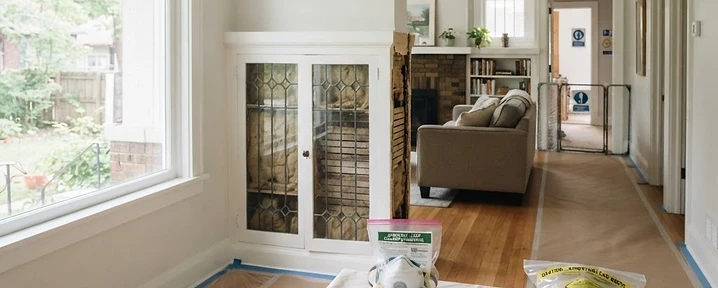
Planning a home remodel, window replacement, or historic home restoration is an exciting project for any property owner. However, if your home was built before modern environmental regulations took effect, recent policy updates in Minnesota mean that project safety standards are under greater scrutiny than ever.
Following recent federal rulemaking by the Environmental Protection Agency (EPA), the Minnesota Department of Health (MDH) has initiated formal rulemaking under Minnesota Rules, Chapter 4761 (Revisor's ID #4993) to update state residential lead standards. These proposed changes lower the residential Dust-Lead Hazard Standards (DLHS) from older numerical thresholds down to any reportable level detected by an EPA-recognized laboratory for floors and window sills. In addition, post-abatement clearance levels are being tightened—dropping to 5 µg/ft² for floors, 40 µg/ft² for sills, and 100 µg/ft² for troughs.
Alongside this shift, cities like Minneapolis are actively expanding abatement and hazard-reduction initiatives, particularly across older neighborhoods where nearly two-thirds of housing stock predates the federal 1978 lead paint ban (NationGraph News Room). For homeowners planning repairs, these evolving standards highlight why safe containment, reliable testing, and professional abatement are critical.
Why Older Homes Demand Upfront Planning
Many classic Twin Cities homes—from Minneapolis craftsman bungalows to St. Paul Victorians—boast historic architecture, but they frequently harbor legacy building materials:
- Lead-Based Paint: Used extensively prior to 1978, lead paint is typically hidden under layers of newer paint on original baseboards, trim, siding, and double-hung window casings. Sanding, heat-gun scraping, or demolishing walls generates microscopic, toxic dust.
- Asbestos-Containing Materials: Often found alongside lead in pre-1980 homes, asbestos may be present in pipe insulation, floor tiles and mastic adhesives, textured ceiling plaster, siding shingles, and vermiculite attic insulation.
When these materials remain undisturbed and in good condition, they generally do not present an immediate risk. However, the friction of daily window operation, saw cutting, drywall removal, or aggressive demolition can quickly liberate fibers and lead dust into living spaces.
Essential Steps Before You Begin Your Renovation
To keep your household safe and avoid costly contamination cleanups, incorporate these best practices before swinging a hammer:
1. Test Before You Disturb
Visual assessments cannot confirm the presence of lead or asbestos. Before starting repairs, work with a licensed environmental professional to perform targeted testing:
- XRF Testing or Paint Chip Analysis: Pinpoints exactly which surfaces contain lead paint.
- Asbestos Bulk Sampling: Identifies specific materials (such as flooring adhesives, pipe wrap, or wall textures) that require specialized handling under state guidelines.
2. Understand RRP and Abatement Protocols
If you hire a contractor for work that disturbs painted surfaces in pre-1978 properties, ensure they hold active certification under the EPA’s Renovation, Repair, and Painting (RRP) Rule. If significant lead hazard reduction or permanent removal is planned, Minnesota requires certified lead abatement contractors who follow rigorous containment and disposal rules.
3. Establish True Containment
Uncontrolled dust spreads through forced-air HVAC vents and open doorways. Safe work practices require:
- Sealing air ducts, doors, and vents with heavy polyethylene plastic.
- Utilizing HEPA-filtered negative air machines when extensive sanding or wall removal occurs.
- Prohibiting open-flame burning, dry scraping, or conventional shop-vac cleanup, which merely aerosolizes fine particulates.
4. Verify with Clearance Testing
With Minnesota moving toward stricter clearance thresholds, visual cleanliness is no longer the definitive standard. Independent post-project dust wipe sampling provides objective verification that lead dust levels fall within acceptable safety parameters before children or pets re-enter the space.
Responsible Planning for Long-Term Peace of Mind
Home remodeling should improve your living environment, not compromise indoor air quality. Taking an informed, cautious approach before disturbing older building materials protects your family, safeguards contractors, and preserves the value of your property.
At SAFE (Solutions for Asbestos Free Environments), we serve homeowners, property managers, and renovation contractors across Minnesota with a dedicated presence in the Twin Cities metro. Whether you need pre-renovation asbestos inspections, lead risk assessments, or certified abatement planning, our team provides objective, compliant guidance to help you complete your projects safely and efficiently.
We use Google AdSense to show ads on selected educational articles. Advertising cookies help us keep this content free. You can change this choice anytime.
Comments
(0)Join the conversation
Members can comment on articles. Create a free account to share your thoughts.
Create free accountNo comments yet. Be the first to share your thoughts.