
Minnesota Updates Residential Lead Dust Rules: What Home and Environmental Inspectors Need to Know
Minnesota has initiated rulemaking to adopt the EPA's stricter dust-lead hazard standards and clearance levels, bringing significant procedural shifts for local inspectors and contractors.
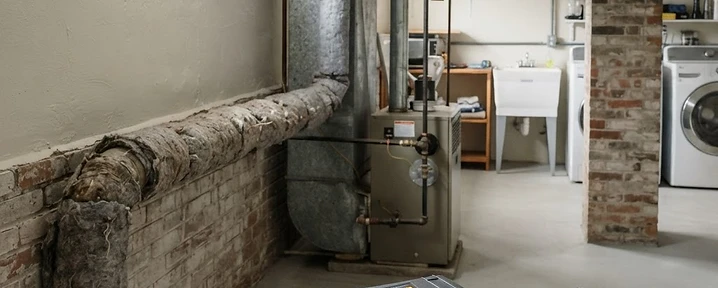
Shifting Standards: Minnesota Moves to Align with Federal Dust-Lead Rules
Significant regulatory changes are underway for environmental and home inspectors across the Upper Midwest. The Minnesota Department of Health (MDH) has formally initiated rulemaking to update Minnesota Rules, Chapter 4761, which governs residential lead abatement.
This administrative update follows the Environmental Protection Agency’s (EPA) revised final rule on dust-lead hazard standards (DLHS) and dust-lead clearance levels (DLCL). Under federal policy, states authorized to administer lead abatement programs must update their administrative rules within two years of federal publication to remain fully aligned.
What the Proposed Chapter 4761 Rulemaking Entails
Under MDH’s proposed amendments (Revisor ID R-4993):
- Dust-Lead Hazard Standards (DLHS): Minnesota plans to transition away from static thresholds (previously 10 µg/ft² on floors and 100 µg/ft² on window sills) to “any reportable level by an EPA-recognized laboratory” for both floors and interior window sills.
- Dust-Lead Clearance Levels (DLCL): Post-abatement clearance criteria are lowering significantly: from 10 µg/ft² to 5 µg/ft² on interior floors, from 100 µg/ft² to 40 µg/ft² on window sills, and from 400 µg/ft² to 100 µg/ft² on window troughs.
- Minnesota RRP Program Development: Alongside abatement rule revisions, MDH continues progress on administrative framework rules to take over state-level enforcement of the EPA’s Lead Renovation, Repair, and Paint (RRP) program in pre-1978 residences and child-occupied facilities.
For home inspectors, commercial building assessors, and environmental technicians, these shifts represent a meaningful tightening of operational thresholds across Minnesota properties.
Practical Guidance for Inspectors Before Starting a Project
As standards become more stringent, baseline expectations for testing accuracy, client advisories, and risk management will also rise. Whether evaluating a residential pre-purchase, planning tenant turnover, or reviewing scope ahead of a remodel, consider the following technical best practices:
1. Know When to Differentiate Assessments vs. Inspections
A standard home inspection identifies visible deferred maintenance, but it is not a comprehensive environmental investigation. Clearly communicate your scope of practice in pre-inspection agreements:
- General home inspectors should identify deteriorating paint on pre-1978 friction surfaces (e.g., sashes, baseboards, doors) as an observational item.
- Testing, dust wipes, and invasive sampling should only be conducted by appropriately trained and state-licensed lead inspectors or risk assessors using accredited laboratories.
2. Prepare for Stricter Lab Reporting and Sampling Protocols
With hazard standards shifting toward laboratory reporting limits, cross-contamination prevention becomes paramount:
- Always follow standardized sampling protocols (such as ASTM methods).
- Ensure field blanks and chain of custody documentation are rigorously maintained to avoid false-positive dust wipe reports.
- Partner exclusively with laboratories recognized by the National Lead Laboratory Accreditation Program (NLLAP).
3. Check for Suspect Asbestos Materials Concurrently
Older residential and commercial building stock frequently pairs lead hazards with asbestos-containing materials (ACMs). When conducting environmental site evaluations, look beyond paint coatings to inspect thermal system insulation, transite siding, 9-inch floor tiles, and plaster systems.
- Minnesota rules require certified asbestos inspectors to collect bulk samples when asbestos-related work or renovations are anticipated.
- Remind clients that non-friable materials in good condition often do not present immediate exposure risks, but unmonitored sawing, sanding, or demolition can release respirable fibers.
4. Provide Objective, Evidence-Based Client Summaries
Clients often experience heightened anxiety when lead or asbestos is documented on an inspection report. Provide educational, factual context rather than alarmist language:
- Differentiate between intact, sealed surfaces and damaged, flaking paint generating friction dust.
- Encourage clients to involve licensed professionals early in the due-diligence period rather than attempting DIY disturbance.
A Collaborative Resource Across the Twin Cities and Minnesota
Navigating shifting regulatory standards requires accurate laboratory analysis, clear field reporting, and strict adherence to state administrative codes. Solutions for Asbestos Free Environments (SAFE) serves clients across Minnesota with a strong presence throughout the Twin Cities metro area.
Whether your clients require certified lead risk assessments, dust clearance verification, or pre-renovation asbestos inspections, our team provides reliable testing and abatement solutions tailored to keep projects compliant and safe.
We use Google AdSense to show ads on selected educational articles. Advertising cookies help us keep this content free. You can change this choice anytime.
Comments
(0)Join the conversation
Members can comment on articles. Create a free account to share your thoughts.
Create free accountNo comments yet. Be the first to share your thoughts.