
Minnesota Updates Residential Lead Rules: What Homeowners Must Know Before Renovating
Minnesota is aligning state residential lead abatement standards with stricter federal limits. Here is what homeowners planning home remodels or repairs need to know about lead and asbestos before swinging a hammer.
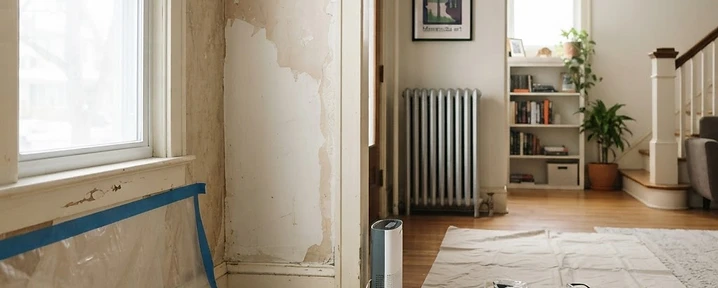
If you own an older home in Minnesota and are planning a kitchen overhaul, replacing historic windows, or knocking down a partition wall, the regulatory bar for clean, safe air is shifting.
According to official notices from the Minnesota Department of Health (MDH), the state is actively pursuing rulemaking to amend Minnesota Rules, Chapter 4761, aligning state residential lead standards with federal EPA rules. Under these updates, dust-lead hazard standards are shifting toward any reportable laboratory level, while post-abatement clearance levels are tightening dramatically—dropping to 5 µg/ft² for floors, 40 µg/ft² for window sills, and 100 µg/ft² for window troughs.
Concurrently, municipal programs like the Minneapolis Lead and Healthy Homes Program are escalating neighborhood remediation in pre-1978 properties, underscoring how critical toxic dust prevention remains. For property owners, these developments emphasize a central truth: proper testing, containment, and professional clearance are essential before and during any residential project.
Why Older Midwestern Homes Need Extra Diligence
Across the Twin Cities and throughout Greater Minnesota, housing stock boasts exceptional character—from classic St. Paul Victorians and Minneapolis craftsman bungalows to mid-century ranches. However, homes built before 1978 frequently contain legacy environmental contaminants:
- Lead-Based Paint: Common on baseboards, door frames, siding, porches, and original double-hung windows where friction continuously creates microscopic lead dust.
- Asbestos-Containing Materials (ACM): Extensively used in drywall joint compound, vinyl floor tiles, acoustic ceiling textures ("popcorn" ceilings), vermiculite insulation, duct insulation, and pipe wrap.
During routine remodeling—such as sanding, demolition, or dry scraping—hazardous particles become airborne and settle across living areas, heating ducts, and furniture, presenting genuine risks to occupants if unmanaged.
Practical Steps Before Starting Your Renovation
Preventing contamination is far easier and less costly than cleaning it up after dust spreads through your living room or ductwork. Follow these practical steps before taking on your next project:
1. Test Before You Disturb
Never assume a surface is free of hazards based solely on its age or appearance. Before cutting into ceilings, pulling up flooring, or disturbing painted surfaces, arrange an inspection with state-licensed assessors who can sample suspect building materials and provide verified laboratory analyses.
2. Understand Lead-Safe Work Practices
If your project involves pre-1978 painted surfaces:
- Ensure hired contractors are Lead-Safe Certified under EPA or MDH regulations.
- Never use open flame torches, heat guns above 1,100°F, or high-speed dry sanders on suspected lead paint.
- Always require heavy plastic sheeting containment, negative air pressure units where appropriate, and HEPA-filtered vacuuming.
3. Account for Asbestos Regulations
State agencies, including the Minnesota Pollution Control Agency (MPCA), maintain strict requirements regarding notifications, certified handling, and permitted disposal for structural renovations and demolitions. Improperly discarding asbestos waste in standard municipal trash or job-site dumpsters can result in substantial state penalties and widespread property contamination.
4. Demand Independent Post-Project Clearance
Once demolition or abatement work is complete, verify clean conditions with dust wipe and air clearance testing before containment barriers are removed. With Minnesota's revised post-abatement clearance standards setting significantly stricter limits, documented laboratory clearance offers genuine peace of mind before your family returns to the space.
Protecting Your Home and Investment
At Solutions for Asbestos Free Environments (SAFE), we proudly serve homeowners across Minnesota with a strong presence throughout the Twin Cities metro. Our certified team provides independent, unbiased asbestos and lead testing, risk assessments, and clearance verifications to ensure your renovation, property transaction, or repair moves forward safely and in total compliance with state guidelines.
Planning a project? Schedule a pre-renovation assessment today to protect your property and family before the dust begins to fly.
We use Google AdSense to show ads on selected educational articles. Advertising cookies help us keep this content free. You can change this choice anytime.
Comments
(0)Join the conversation
Members can comment on articles. Create a free account to share your thoughts.
Create free accountNo comments yet. Be the first to share your thoughts.