
Minnesota Updates Residential Lead Rules: What Realtors and Property Agents Need to Know
Minnesota is updating state lead abatement standards to align with EPA rules that lower dust-lead clearance thresholds. Learn what these regulatory changes mean for property transactions, renovations, and disclosures across the Twin Cities.
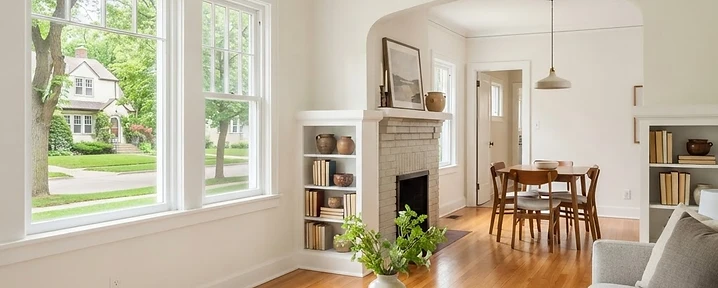
For real estate agents, brokers, and property managers in Minnesota, older homes are the cornerstone of the market. From classic Victorians in Saint Paul to charming mid-century bungalows across Minneapolis and the surrounding suburbs, pre-1978 properties offer incredible character. However, they also come with distinct environmental responsibilities—and those responsibilities are evolving.
The Minnesota Department of Health (MDH) has initiated formal rulemaking under Rulemaking for Residential Lead Abatement - MN Dept. of Health (Chapter 4761) to align state standards with the Environmental Protection Agency’s (EPA) revised dust-lead hazard standards (DLHS) and dust-lead clearance levels (DLCL). In parallel, MDH continues development on authorized state-level Renovation, Repair, and Paint (RRP) regulations.
For realtors navigating inspections, negotiations, pre-listing updates, and closings, understanding these standard adjustments is essential for protecting your clients and keeping transactions on schedule.
Understanding the Lower Clearance Thresholds
Under the EPA’s nationwide framework, the standards defining hazardous lead dust levels and the clearance thresholds required after abatement have become significantly stricter:
- Dust-Lead Hazard Standards (DLHS): Shifted from fixed numeric thresholds (previously 10 µg/ft² on floors and 100 µg/ft² on interior window sills) to any reportable level detected by an EPA-recognized laboratory.
- Dust-Lead Clearance Levels (DLCL): The post-abatement clearance standard for floors has dropped from 10 µg/ft² down to 5 µg/ft². Interior window sills drop from 100 µg/ft² to 40 µg/ft², and window troughs drop from 400 µg/ft² to 100 µg/ft².
Because Minnesota administers an EPA-authorized residential lead program, MDH is required to update Minnesota Rules Chapter 4761 to incorporate these stricter limits. In practice, this means certified abatement projects will require even more meticulous containment, specialized cleaning, and rigorous wipe sampling before passing clearance.
Why This Matters for Real Estate Professionals
Whether representing buyers, sellers, or rental property investors, regulatory shifts around lead dust affect several stages of the real estate lifecycle:
1. Purchase Agreements and Inspection Contingencies
When buyers elect an environmental or lead inspection during the due diligence period, laboratories apply updated hazard definitions. A report that may have shown "acceptable" dust levels under older benchmarks could now flag detectable lead dust. Real estate professionals who understand these benchmarks can help clients review lab reports constructively without causing unnecessary panic or stalled deals.
2. Pre-Listing Fixes and Staging Updates
Sellers often prepare older homes by repainting chipped baseboards, replacing original windows, or sanding historic trim. If work in a pre-1978 home disturbs more than minor surface areas of paint, standard cosmetic painting can spread fine lead dust throughout the living space. Contractors performing work must follow EPA RRP protocols, and Minnesota’s ongoing RRP rulemaking will keep oversight active at the state level.
3. Federal and State Disclosures
Federal disclosure rules (Section 1018 of Title X) require sellers and landlords to disclose known lead-based paint and provide buyers with the EPA pamphlet Protect Your Family from Lead in Your Home. Having historical or recent clearance documentation prepared ensures compliance and builds transparency during escrow.
Practical Steps Before Starting a Sale, Renovation, or Turnover
To keep transactions moving smoothly and avoid eleventh-hour closing delays, consider these best practices:
- Review Property Vintage Early: If a property was built before 1978, identify friction points such as double-hung wooden windows, weathered exterior siding, or peeling porch paint before listing.
- Encourage Professional Testing Over DIY Kits: Chemical swab kits purchased at hardware stores have high false-positive and false-negative rates. A certified risk assessor using X-ray fluorescence (XRF) analyzers and standardized dust-wipe samples provides reliable, laboratory-backed data.
- Require Certified Contractors: Ensure clients hire certified lead-safe firms for pre-sale repairs or renovations disturbing painted surfaces. Uncontained dry sanding or scraping can contaminate carpets, HVAC systems, and upholstery.
- Verify Clearance Testing Timelines: If an inspection contingency requires lead hazard reduction or abatement, budget appropriate time for work completion and certified post-abatement wipe tests to clear the laboratory.
Partner with Local Environmental Experts
Environmental requirements do not have to derail a transaction. By understanding regulatory changes early, agents can guide buyers and sellers toward sound, proactive decisions that protect health and preserve property value.
At SAFE (Solutions for Asbestos Free Environments), we provide professional, certified lead and asbestos inspection, risk assessment, and abatement services across Minnesota, with a strong presence throughout the Twin Cities metro area. Whether your clients need a pre-purchase assessment, clearance testing following repairs, or guidance on historic housing stock, our team provides the factual clarity you need to close transactions safely and with confidence.
We use Google AdSense to show ads on selected educational articles. Advertising cookies help us keep this content free. You can change this choice anytime.
Comments
(0)Join the conversation
Members can comment on articles. Create a free account to share your thoughts.
Create free accountNo comments yet. Be the first to share your thoughts.