
Minnesota Updates Residential Lead Standards: What Landlords and Property Managers Must Know
With Minnesota initiating rule changes to tighten dust-lead standards and cities ramping up abatement enforcement, property managers need proactive compliance strategies.
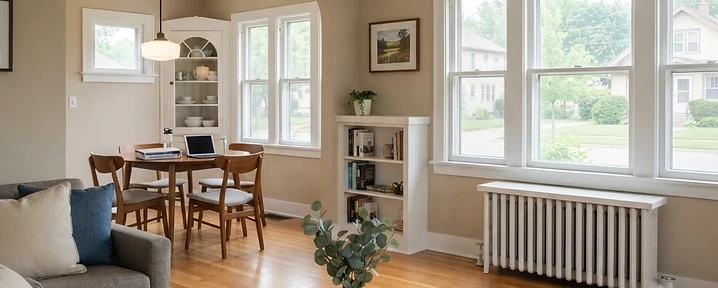
Property managers and residential landlords across Minnesota face an evolving regulatory landscape. The Minnesota Department of Health (MDH) has initiated formal rulemaking under Chapter 4761 to align state residential lead abatement rules with revised Environmental Protection Agency (EPA) standards.
Concurrently, municipal health departments—notably in Minneapolis, where roughly 60% of housing was built prior to the 1978 federal ban on residential lead paint—are expanding local remediation programs and contractor enforcement to eliminate childhood lead exposure. For rental property owners, staying ahead of these changing numbers is essential for tenant health, smooth turnovers, and regulatory compliance.
The Changing Standards: Dust-Lead Hazard and Clearance Levels
Under the proposed MDH rule amendments (Revisor's ID #4993), Minnesota is moving to tighten dust-lead hazard standards and post-abatement clearance levels significantly:
- Dust-Lead Hazard Standards (DLHS): MDH is moving away from numeric hazard thresholds (previously 10 µg/ft² for floors and 100 µg/ft² for window sills) toward any reportable level verified by an EPA-recognized laboratory.
- Dust-Lead Clearance Levels (DLCL): Standards required to confirm a property is safe following an abatement project are dropping sharply:
- Floors: Lowering from 10 µg/ft² down to 5 µg/ft²
- Window Sills: Lowering from 100 µg/ft² down to 40 µg/ft²
- Window Troughs: Lowering from 400 µg/ft² down to 100 µg/ft²
Because clearance thresholds dictate whether work has been satisfactorily completed, general surface cleanings that passed inspection in previous years will no longer suffice. Containment, meticulous HEPA-vacuuming, wet-wiping, and independent clearance testing are more critical than ever.
Practical Guidance for Landlords and Property Managers
Managing older rental portfolios requires operational foresight, particularly during tenant turnover, routine maintenance, or unit modernization. Below are key steps to incorporate into your property management workflows.
1. Revisit Pre-1978 Unit Turnover Protocols
Normal tenant turnover often includes repainting baseboards, replacing doors, or fixing friction surfaces like historic double-hung windows. Because friction creates lead dust, even minor scuffs or scraping can elevate dust levels past new detection limits. Ensure maintenance crews follow Lead-Safe certified work practices, utilize specialized HEPA filtration vacuums, and avoid uncontained dry sanding or scraping.
2. Verify Disclosure and Recordkeeping
Federal and state regulations require landlords to provide prospective tenants with the EPA-approved Protect Your Family From Lead in Your Home pamphlet, disclose known lead hazards, and attach a formal Lead Disclosure Addendum to lease agreements. Keep complete files of all historical testing, paint inspections, and risk assessments. During unit handoffs, having organized documentation demonstrates good faith and regulatory diligence.
3. Screen Ahead of Planned Renovations or Transactions
If you plan to sell, refinance, or remodel pre-1978 properties, perform a targeted lead inspection or risk assessment beforehand. An early assessment identifies whether you are dealing with intact paint or localized friction hazards, allowing you to establish accurate budgets and timelines before opening walls or disturbing trim.
4. Investigate Grant and Subsidy Opportunities
Both state and local programs offer financial support for hazard reduction in qualifying rental housing. For instance, Minnesota Housing oversees initiatives such as the Lead Safe Homes Grant Program, which assists with assessment and remediation costs for properties housing lower-income families. Exploring these opportunities can offset capital expenditures while improving property safety.
A Balanced Approach to Property Compliance
Managing environmental hazards does not mean every older apartment requires full-scale structural overhaul. Rather, managing lead responsibly requires identifying friction and impact points, maintaining intact coatings, and working with certified specialists when disturbing building materials.
At SAFE (Solutions for Asbestos Free Environments), we partner with residential property managers, landlords, and commercial operators across Minnesota, with a strong focus throughout the Twin Cities metro. Our certified inspection and abatement teams help you navigate evolving MDH thresholds, conduct compliant clearances, and keep your properties safe and occupied.
We use Google AdSense to show ads on selected educational articles. Advertising cookies help us keep this content free. You can change this choice anytime.
Comments
(0)Join the conversation
Members can comment on articles. Create a free account to share your thoughts.
Create free accountNo comments yet. Be the first to share your thoughts.