
Planning a Home Renovation? What Minnesota's Stricter Lead Rules and Federal Asbestos Bans Mean for You
With the Minnesota Department of Health tightening residential lead abatement standards and the EPA finalizing major asbestos bans, homeowners planning renovations must understand how to manage hidden legacy hazards safely.
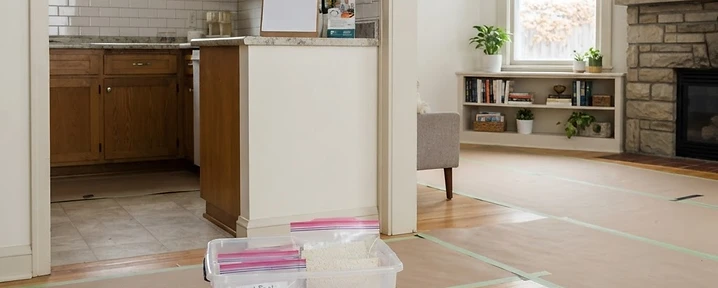
Spring and summer in Minnesota often bring a surge of home improvement projects. Whether you are knocking down walls in a classic South Minneapolis bungalow, remodeling a kitchen in Saint Paul, or updating a mid-century home in the surrounding suburbs, starting a renovation is exciting. However, if your property was built before the late 1970s, managing hidden legacy hazards like lead-based paint and asbestos is a critical first step.
Recent regulatory updates at both the state and federal levels highlight why proper hazard identification is more important than ever.
Recent Regulatory Shifts: Stricter Rules for Residential Hazards
Recent policy actions reinforce how seriously health authorities treat dust and legacy materials:
- Minnesota Lead Abatement Rulemaking: Following updated federal guidance, the Minnesota Department of Health (MDH) initiated active rulemaking for Chapter 4761 (Residential Lead Abatement). These changes align state standards with more protective Environmental Protection Agency (EPA) dust-lead hazard standards (DLHS) and dust-lead clearance levels (DLCL). Lower clearance thresholds mean post-work cleanup and verification are scrutinized more closely than in the past.
- Federal Ban on Ongoing Asbestos Uses: The EPA finalized a historic rule under the Toxic Substances Control Act (TSCA) prohibiting ongoing uses of chrysotile asbestos. While this federal rule addresses current commercial manufacturing and importation, regulatory agencies continue to focus heavily on "legacy" asbestos that remains present in millions of older homes across the country.
- Strict Disposal Enforcement: State regulators such as the Minnesota Pollution Control Agency (MPCA) continue routine enforcement of hazardous waste disposal and demolition notifications, reiterating that unlicensed handling and improper disposal of hazardous materials carry substantial compliance liabilities.
For homeowners, these shifting standards highlight an essential fact: while modern materials are safer, older housing stock still contains legacy materials that require careful planning during any demolition or remodel.
Where Legacy Hazards Lurk in Older Homes
Before picking up a sledgehammer or power sander, it helps to understand where these materials are typically found:
- Lead-Based Paint: Used extensively prior to its federal ban in 1978. In older Minnesota homes, lead is frequently found on window sashes, baseboards, door frames, stairs, and exterior siding. Friction surfaces (like opening and closing windows) can generate fine, invisible lead dust.
- Asbestos Materials: Asbestos was valued for its heat resistance and insulating properties. It is commonly discovered in steam pipe insulation, boiler wrapping, vinyl floor tiles and their adhesive mastics, acoustic "popcorn" ceilings, vermiculite attic insulation, and older exterior cement-siding shingles.
When left undisturbed and in good condition, these materials generally present low immediate risk. However, sanding, sawing, tearing down walls, or scraping dry surfaces can release invisible microscopic fibers and toxic dust into living spaces and ventilation ducts.
Practical Steps Before Starting Your Renovation
Taking systematic steps before demo day protects both your family's living environment and your project budget:
- Establish the Age of Your Home: If your home was constructed before 1978, assume that lead-based paint and asbestos-containing materials could be present until formal testing proves otherwise.
- Schedule an Inspection Before Demolition: Avoid over-the-counter DIY chemical swab kits for lead or guess-work for asbestos. MDH rules outline specific testing methodologies that certified inspectors must use to verify hazards accurately. A certified inspector takes representative samples of materials and sends them to accredited laboratories for precise analysis.
- Plan Containment and Protection: Under federal and state Renovation, Repair, and Painting (RRP) standards, contractors disturbing lead paint must use containment barriers, HEPA-filtered extraction tools, and thorough wet-cleaning techniques to prevent dust migration.
- Do Not Attempt Unlicensed Abatement: Removing dry asbestos pipe wrap or dry-scraping old paint without proper negative-pressure containment and specialized personal protective equipment (PPE) can contaminate your entire home. Certified abatement professionals possess the licensing, tools, and disposal authorizations required by Minnesota law to handle and transport these materials safely.
- Verify Post-Work Clearance: Particularly in light of lowered dust-lead clearance standards, ensure that your scope of work includes formal dust clearance testing before moving back into the renovated area.
Work with Local Professionals
At SAFE (Solutions for Asbestos Free Environments), we provide professional, certified asbestos and lead inspection and abatement services across Minnesota, with a strong presence throughout the Twin Cities metro area. Whether you need an initial survey before a kitchen remodel, risk assessments during a property transaction, or full-scale remediation, our licensed team helps homeowners navigate state and federal requirements safely and efficiently.
We use Google AdSense to show ads on selected educational articles. Advertising cookies help us keep this content free. You can change this choice anytime.
Comments
(0)Join the conversation
Members can comment on articles. Create a free account to share your thoughts.
Create free accountNo comments yet. Be the first to share your thoughts.