
Planning a Home Renovation? Why Minnesota’s Shifting Lead and Asbestos Regulations Matter
With Minnesota advancing major updates to lead dust standards and contractor rules, homeowners planning remodels must understand how to safely manage lead and asbestos before tearing down walls.
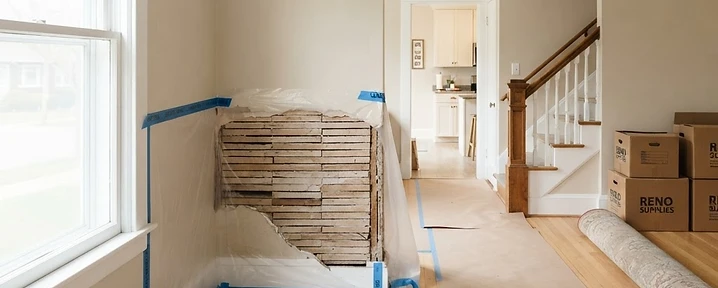
Planning a kitchen remodel, updating original sash windows, or taking down a vintage plaster wall are exciting milestones for any homeowner. However, before demolition begins, property owners across Minnesota should take note of significant regulatory updates targeting lead hazards and legacy asbestos.
State health agencies and federal regulators have introduced tighter benchmarks designed to protect families and workers from airborne toxins. Understanding these developments will help ensure your remodel is efficient, code-compliant, and above all, safe.
Shifting Standards: Minnesota’s Latest Lead & Asbestos Developments
The Minnesota Department of Health (MDH) is currently advancing updates to its residential lead abatement rules under Minnesota Rules, Chapter 4761. These changes directly incorporate the U.S. Environmental Protection Agency's (EPA) strengthened lead dust benchmarks. Under the updated framework:
- Dust-Lead Hazard Standards (DLHS): Lowered from previous numeric thresholds (such as 10 µg/ft² on floors) to any reportable level detected by an EPA-recognized laboratory.
- Dust-Lead Clearance Levels (DLCL): Significantly stricter post-project clearance standards cut allowable dust levels in half on floors (from 10 µg/ft² to 5 µg/ft²) and reduce window sill limits from 100 µg/ft² down to 40 µg/ft².
Simultaneously, the MDH is progressing with rulemaking to administer its own Renovation, Repair, and Painting (RRP) program. This state-level framework oversees contractor certification, containment methods, and pre-renovation disclosures for pre-1978 homes.
On the asbestos front, federal momentum has continued following the EPA’s March 2024 ban on ongoing chrysotile asbestos uses and the release of its Part 2 Risk Evaluation addressing legacy installations. While asbestos remains stable and safe when intact, mechanical disturbance during renovations poses immediate exposure risks.
Where Legacy Hazards Hide in Minnesota Homes
Many neighborhoods across Minneapolis, St. Paul, and surrounding older suburbs boast historic architectural charm. According to MDH estimates, roughly 75% of homes built before 1978 contain some lead-based paint. Common locations include:
- Exterior siding, porches, and trim
- Interior window frames, sills, and sash pockets where friction grinds paint into fine dust
- Baseboards, moldings, and vintage cabinetry
Asbestos, prized throughout the mid-20th century for heat resistance and durability, was commonly used in homes built prior to the late 1980s. Typical sources include:
- Popcorn ceiling textures and decorative plaster
- Vermiculite attic insulation
- 9-inch vinyl floor tiles and black mastic adhesives
- Duct wraps and pipe insulation around gravity furnaces
- Exterior transite siding panels
Practical Steps Before Starting Your Renovation
Preventing lead dust dispersal and fiber release requires careful planning. If you are preparing to remodel, buy, or sell an older property, adopt these essential practices:
1. Test Before You Disturb
Never rely on visual inspection alone to identify lead or asbestos. Before drywall is cut or flooring is scraped, have suspected building materials sampled by an accredited professional. Certified testing identifies the exact hazard and location, preventing unexpected project shutdowns.
2. Verify Contractor Credentials
If you are hiring a general contractor for work on a home built before 1978, confirm they hold EPA Lead-Safe Certification (or upcoming MDH RRP equivalent certification). Lead-safe certified contractors employ negative air machines, heavy-duty plastic containment barriers, and wet-sanding techniques to keep dust from spreading into clean living areas.
3. Establish Project Containment
If you plan to live in the home during construction, prioritize barrier control. HVAC registers should be sealed, entryways zipper-screened, and work areas vented outward to avoid circulating microscopic particulates through ductwork.
4. Demand Thorough Post-Remodel Clearance
Standard housekeeping vacuums exhaust fine dust back into indoor air. Following high-dust renovations, require specialized HEPA vacuuming followed by wet-wiping. For significant lead or asbestos abatement, conduct third-party clearance testing to confirm the area meets state post-abatement criteria before reoccupying the space.
Professional Environmental Support in Minnesota
Navigating regulatory standards and testing protocols does not have to complicate your remodeling plans. SAFE (Solutions for Asbestos Free Environments) serves Minnesota homeowners with a dedicated Twin Cities presence, providing professional asbestos and lead inspection, air testing, and certified abatement services.
By taking proactive measures prior to demolition, you safeguard your household's air quality, maintain regulatory compliance, and protect the long-term value of your home.
We use Google AdSense to show ads on selected educational articles. Advertising cookies help us keep this content free. You can change this choice anytime.
Comments
(0)Join the conversation
Members can comment on articles. Create a free account to share your thoughts.
Create free accountNo comments yet. Be the first to share your thoughts.