
Stricter Lead Dust Standards and Asbestos Enforcement: Practical Guidance for Minnesota Contractors
With Minnesota updating residential lead rules and local environmental agencies actively enforcing asbestos compliance, general and trade contractors must strengthen their pre-construction protocols.
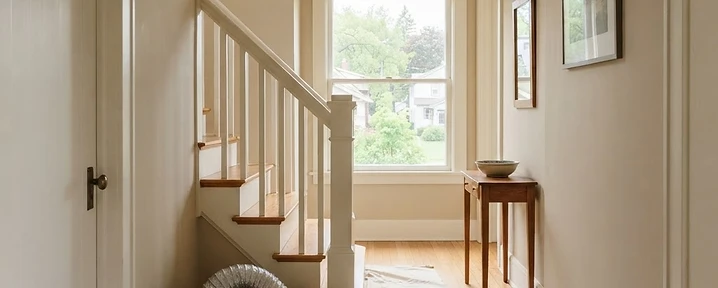
For general contractors and trade professionals operating in Minnesota, environmental compliance has never been more critical. Between active state enforcement actions and shifting federal standards flowing into state codes, how contractors handle hazardous materials directly impacts project schedules, liability, and jobsite safety.
Recent regulatory actions underscore this reality across the state. The Minnesota Department of Health (MDH) initiated rulemaking (Revisor's ID: #4993) to update Minnesota Rules Chapter 4761 governing residential lead abatement. This process aligns state rules with federal Environmental Protection Agency (EPA) standards, adopting stricter dust-lead hazard thresholds—moving to any reportable level by an EPA-recognized laboratory—and lowering post-abatement dust clearance levels significantly (to 5 µg/ft² on floors and 40 µg/ft² on window sills).
Concurrently, enforcement agencies are holding contractors strictly accountable for proper hazardous material handling. As reported by the Minnesota Pollution Control Agency (MPCA), a Twin Cities contractor was penalized nearly $18,000 after failing to notify the MPCA prior to demolishing a structure containing asbestos, failing to have a trained individual on-site, and sending demolition debris to an unpermitted disposal facility.
For contractors planning upcoming renovations, demolitions, or tenant turnovers, proactive compliance is essential.
Understanding the Practical Impact on Jobsites
These enforcement cases and rule updates highlight two fundamental realities for the trades:
- Lead Dust Controls Require Tighter Tolerances: Stricter dust clearance levels mean that standard broom cleaning or basic shop-vac containment is entirely insufficient. Contractors working in pre-1978 homes or child-occupied facilities must maintain rigorous containment to avoid cross-contaminating living spaces and failing clearance testing.
- Paperwork and Disposal Are Legal Priorities: Asbestos violations rarely stem solely from physical removal. Agencies like the MPCA actively inspect for mandatory 10-day pre-demolition notifications, verified waste manifests, and credentialed personnel overseeing abatement work.
Pre-Project Checklist for General and Trade Contractors
Before swinging a hammer, cutting drywall, or mobilizing mechanical and electrical subs, implement these operational steps into your standard pre-construction workflow:
- Commission a Thorough Survey: Never rely on assumption or visual guesses. Materials like vinyl floor tiles, mastic, pipe insulation, exterior transite siding, and joint compound frequently contain asbestos. Older paint, window trim, and exterior architectural elements often conceal lead paint. Secure a professional inspection before bidding or demolition commences.
- Verify Age and Permitting Rules: In Minnesota, demolition or significant structural renovation projects frequently require pre-demolition asbestos notification to the MPCA at least 10 business days prior to disturbance. Ensure these notifications are factored into project schedules.
- Separate Selective Demo from Abatement: Understand the legal line between ordinary selective demo and regulated hazardous material removal. Regulated asbestos-containing materials (RACM) must be removed and disposed of by state-licensed contractors using certified personnel.
- Isolate Work Areas and Protect Airflow: Use sealed poly containment, negative air machines with HEPA filtration, and sticky walk-off mats to prevent migration of lead or asbestos fibers into occupied or clean project zones.
- Retain Complete Chain-of-Custody Records: Maintain copies of all waste manifests showing that regulated materials were transported by permitted haulers to authorized disposal facilities. These documents safeguard your company during inspections and audits.
Safe Collaboration for Local Contractors
Partnering with accredited environmental inspection and abatement teams early in the pre-construction phase prevents job shutdowns, project delays, and compliance penalties.
Serving Minnesota with a strong presence across the Twin Cities metropolitan area and surrounding communities, SAFE (Solutions for Asbestos Free Environments) works alongside general contractors, specialty trades, and facility managers. SAFE provides certified, thorough asbestos and lead inspections, clear reporting, and professional abatement services designed to keep your project compliant, on schedule, and safe for everyone on site.
We use Google AdSense to show ads on selected educational articles. Advertising cookies help us keep this content free. You can change this choice anytime.
Comments
(0)Join the conversation
Members can comment on articles. Create a free account to share your thoughts.
Create free accountNo comments yet. Be the first to share your thoughts.