
Stricter Lead Dust Standards and Minnesota's RRP Transition: What Inspectors Need to Know
With the EPA tightening residential dust-lead hazard standards and Minnesota advancing state-level RRP rulemaking, home and environmental inspectors must prepare for stricter clearance and sampling protocols.
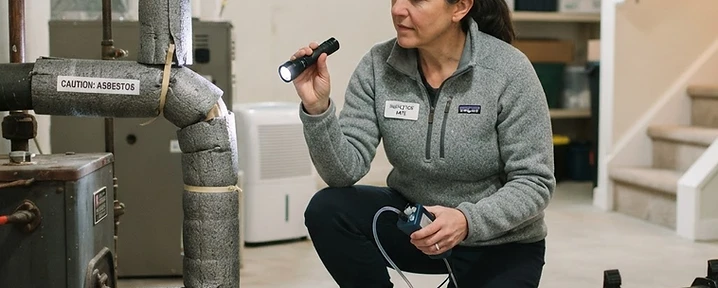
Regulatory benchmarks for residential lead hazards are undergoing significant updates at both the federal and state levels. The U.S. Environmental Protection Agency (EPA) finalized rule changes lowering dust-lead hazard standards (DLHS) and dust-lead clearance levels (DLCL). In response, the Minnesota Department of Health (MDH) is actively updating Minnesota Rules Chapter 4761 (Revisor's ID: #4993) to align with these federal benchmarks, shifting dust-lead hazard thresholds from standard numerical caps down to "any reportable level by an EPA-recognized laboratory" for floors and window sills.
Concurrently, MDH continues stakeholder proceedings regarding its draft Lead Renovation, Repair, and Painting (RRP) rules. Currently enforced nationally by EPA Region 5, the proposed transition would give MDH direct state-level administrative authority over RRP practices in pre-1978 residences and child-occupied facilities across Minnesota.
For home inspectors, environmental consultants, and risk assessors, these shifts alter the baseline of property evaluation, clearance protocols, and client risk communications.
Understanding the Lower DLHS and Clearance Benchmarks
Historically, dust-lead evaluation relied on numeric thresholds that have steadily decreased over the past decade. The newest updates reflect an ongoing consensus in public health: there is no safe blood lead level for children.
Key changes inspectors should monitor include:
- Hazard Determination: The EPA's updated standard shifts the dust-lead hazard benchmark on interior floors and window sills to any reportable limit detected by an EPA-recognized analytical laboratory.
- Clearance Levels: Abatement completion criteria are transitioning toward stricter detection floors within the phased schedule outlined by state and federal rulemaking.
- Analytical Laboratory Sensitivity: Clearance wipe tests and risk assessment samples must be coordinated with accredited laboratories capable of meeting revised reporting limits.
For environmental inspectors performing risk assessments, this means standard reports will require careful interpretation. What once fell just below legacy action limits may now register as an actionable hazard under amended state administrative rules.
Minnesota RRP and Lead Testing Nuances
While EPA's federal framework applies across the country, Minnesota maintains specific statutory requirements under the Minnesota Lead Poisoning Prevention Act that every inspector should keep top of mind:
- Paint Chip Sampling Authority: Under MDH regulations, certified RRP renovators who are not specifically licensed by MDH as lead inspectors or risk assessors may not use paint chip sampling to establish whether a surface contains lead paint. Destructive paint sampling must be performed by licensed lead personnel.
- Pre-Renovation Education (PRE): Ahead of any scheduled disturbance of painted surfaces in pre-1978 housing, property owners and occupants must receive designated compliance information, such as the EPA's Renovate Right guide.
- Future Enforcement Architecture: As MDH continues rulemaking for state-administered RRP oversight, environmental inspectors can expect closer regional auditing, tighter cross-agency alignment, and more localized enforcement mechanisms.
Practical Guidance for Inspectors Before Starting a Project
Whether conducting a pre-purchase home inspection, evaluating a multi-family tenant turnover, or assisting a client prior to planned renovations, adhering to systematic preparation safeguards both inspector liability and occupant health:
1. Identify Property Age and Scope Early
If the residential structure was built prior to 1978, assume lead-based paint and legacy asbestos-containing materials (such as pipe insulation, floor tiles, and textured ceilings) may be present until verified otherwise. Clarify whether your evaluation is a non-invasive visual screening, an EPA/MDH-defined risk assessment, or targeted lead testing.
2. Verify Field Equipment and Laboratory Minimum Detection Limits
If you take dust wipes or soil samples, verify that your partner laboratory uses analytical methods capable of detecting lead at or below newly adopted EPA-recognized reporting thresholds. Outdated lab parameters can render clearance sampling invalid under revised regulations.
3. Advise Clients on Qualified Abatement and Renovation
Inspectors frequently field questions from buyers or sellers asking if they can scrape, sand, or repair deteriorated lead paint themselves. Emphasize that improper containment or dry sanding generates hazardous fine dust that settled onto sills, trim, and carpets. Recommend that clients retain EPA/MDH-certified lead-safe contractors who use containment, HEPA air scrubbers, and specialized wet-cleaning techniques.
Partnering for Safer Properties
Navigating changing lead standards and legacy asbestos guidelines requires precise data, qualified professionals, and compliant documentation. At SAFE (Solutions for Asbestos Free Environments), we provide professional asbestos and lead inspection, risk assessment, and abatement solutions across Minnesota, with a strong Twin Cities presence.
By staying informed on emerging rules and maintaining rigorous field practices, environmental and home inspectors can guide property owners toward sound decisions that protect both building occupants and community health.
We use Google AdSense to show ads on selected educational articles. Advertising cookies help us keep this content free. You can change this choice anytime.
Comments
(0)Join the conversation
Members can comment on articles. Create a free account to share your thoughts.
Create free accountNo comments yet. Be the first to share your thoughts.