
What Minnesota Real Estate Investors and House Flippers Must Know About Changing Lead & Asbestos Regulations
Minnesota state agencies are tightening oversight on residential lead renovation rules and asbestos abatement definitions. Here is what real estate investors and flippers need to know before swinging the first hammer.
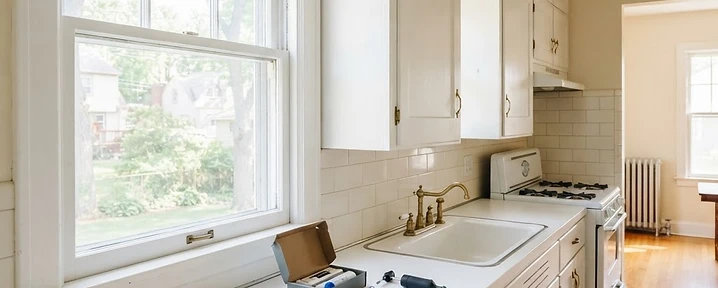
For residential real estate investors and house flippers across Minnesota, older housing inventory presents both incredible opportunity and hidden environmental risk. From classic 1920s Minneapolis bungalows to mid-century ramblers in the surrounding suburbs, vintage architectural character often comes paired with historic building materials.
Keeping projects profitable requires staying ahead of regulatory changes. The Minnesota Department of Health (MDH) has continued active rulemaking to establish a formal state-administered Lead Renovation, Repair, and Paint (RRP) program, aligning state enforcement closely with federal standards while tightening residential renovation standards. Combined with existing updates to the Minnesota Asbestos Abatement Act—which expanded state oversight of friable asbestos to single-family homes and small multi-unit properties—investors can no longer treat environmental compliance as an afterthought.
Navigating these rules early in your due diligence phase protects your renovation budget, your construction timelines, and future occupants.
The Changing Regulatory Landscape in Minnesota
Historically, many flippers operated under the misconception that smaller residential properties faced little formal oversight regarding hazardous materials. Today, enforcement across state and environmental agencies tells a different story:
- State Lead RRP Rulemaking: MDH is progressing toward direct administration of residential renovation work practices involving pre-1978 properties, reviewing rules and comparison crosswalks with federal standards under MDH Lead RRP Rulemaking. Contractors disturbing painted surfaces must follow strict containment, cleaning verification, and recordkeeping protocols.
- Asbestos Statute Coverage: Under amended definitions in the Minnesota Asbestos Abatement Act (Minnesota Statutes 326.70 to 326.81), residential structures with one to four units are explicitly regulated for materials like flooring tile, sheeting, siding, roofing, and textured ceilings if those materials are friable or made friable during demolition or renovation.
- Environmental and Workplace Safety Rules: The Minnesota Pollution Control Agency (MPCA) enforces rules preventing visible asbestos emissions into the outdoor environment, while Minnesota OSHA monitors worker safety during structural remodeling.
Practical Due Diligence for Flippers and Landlords
To keep your flip on schedule and avoid costly project shutdowns or regulatory penalties, incorporate these practical steps into your acquisition and pre-construction workflow:
1. Test Before You Demo
Never rely on visual estimates to confirm whether a material contains asbestos or lead-based paint. Common suspect materials in Minnesota flips include:
- Popcorn ceiling textures and acoustic plaster
- 9x9-inch floor tiles and vintage linoleum sheet backing
- Pipe wrap and boiler insulation in older basements
- Exterior cementitious siding and transite panels
- Window sills, trim, and exterior siding coated in pre-1978 paint
Scheduling an environmental inspection prior to closing or during permit application allows you to budget abatement costs directly into your purchase offer or initial scope of work.
2. Differentiate Renovation from Abatement
Under Minnesota Administrative Rules, Chapter 4761, distinct standards apply to lead inspection, abatement, and standard surface disturbance. Knowing whether your project requires certified lead abatement contractors or certified RRP renovators determines how work areas must be contained, ventilated, and cleared.
3. Maintain Complete Clearance and Documentation
Whether preparing a property for quick resale or adding it to your long-term rental portfolio, documentation is essential:
- Resale Disclosures: Full disclosure of testing reports and professional remediation keeps closing negotiations transparent and protects against post-sale defect claims.
- Rental Turns: Minnesota and federal laws require specific lead hazard disclosures to incoming tenants for properties built prior to 1978.
A Local Partner for Twin Cities Projects
Mitigating environmental risk does not have to stall your project. At SAFE (Solutions for Asbestos Free Environments), we provide professional, certified asbestos and lead testing, risk assessments, and project management designed to keep your renovation compliant and on track.
Serving real estate investors throughout Minnesota, with a strong presence across Minneapolis, St. Paul, and the greater Twin Cities metro area, our team helps you identify suspect materials accurately before demolition begins. Reach out today to schedule an inspection and keep your next investment property safe, compliant, and profitable.
We use Google AdSense to show ads on selected educational articles. Advertising cookies help us keep this content free. You can change this choice anytime.
Comments
(0)Join the conversation
Members can comment on articles. Create a free account to share your thoughts.
Create free accountNo comments yet. Be the first to share your thoughts.